
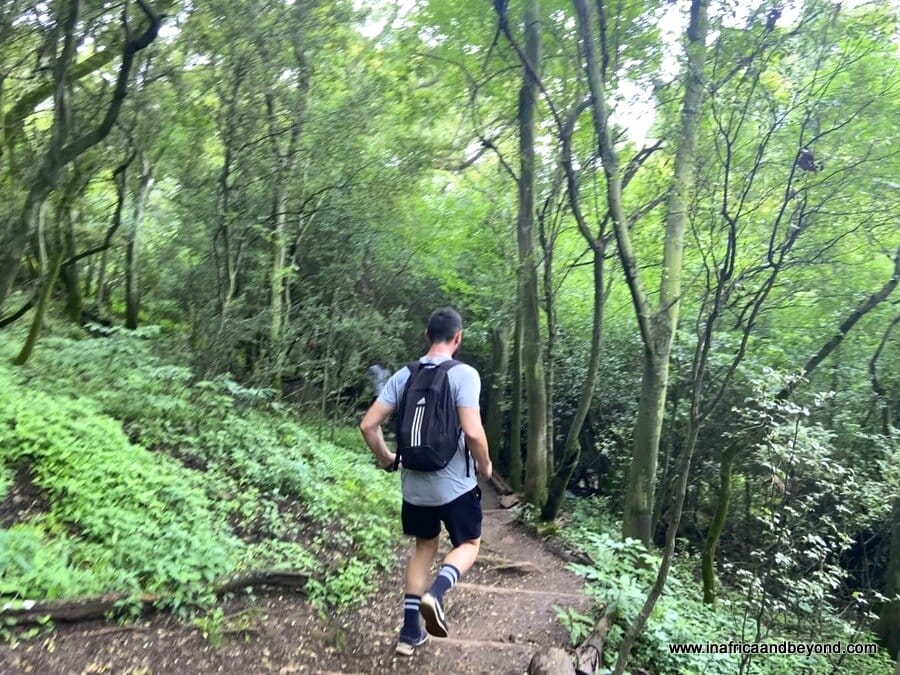
African adventure travel can involve very different conditions in one trip. A traveller may move from dry savanna and mountain trails to humid coastal areas, desert heat, forest paths, rocky viewpoints and long transfer days.
Good outdoor gear helps with safety, comfort, mobility and packing efficiency. The wrong gear can lead to blisters, overheating, sun exposure, damaged equipment and unnecessary fatigue.
The best approach is to pack for real conditions, not just the destination name. Terrain, season, elevation, activities and transport style should shape every gear decision.
Before buying or packing gear, list the main activities. A safari drive requires different clothing from hiking, climbing, camping, kayaking, gorilla trekking, desert travel or overland touring.
Think about how much walking is involved.
Check whether the trip includes rough trails, wet crossings, hot vehicles, cold mornings or dusty roads.
Adventure travel often involves long days outdoors, so gear should be practical across changing conditions.
Travellers joining active trips, guided climbs or outdoor groups may find custom climbing apparel useful for creating coordinated, movement-friendly clothing that works well for training, group travel or expedition-style activities.
Clothing should allow a full range of movement and dry quickly.
Avoid heavy cotton for demanding outdoor days because it holds moisture and dries slowly.
Layering is important because temperatures can change quickly. Mornings may be cold, midday may be hot, and evenings can cool down again.
A simple system works best.
Use a breathable base layer, lightweight shirt, warm mid-layer and weather-resistant outer layer.
For warm regions, sun-protective shirts and lightweight trousers are useful.
For higher elevations, pack a fleece, insulated jacket or thermal layer.
Do not pack only for daytime heat.
Many safari areas, deserts and mountain regions can feel cold before sunrise.
Footwear can determine whether an adventure trip feels enjoyable or painful. Shoes should match the terrain and be broken in before departure.
Light trail shoes may work for city walks, lodge paths and easy trails.
More rugged footwear may be needed for rocky terrain, long hikes, wet conditions or remote routes.
Socks matter too.
Use moisture-wicking socks and carry extra pairs.
Avoid wearing new shoes on the first day of travel.
Blisters are easier to prevent than to treat during a trip.
Important features include:
● Good traction
● Ankle support if needed
● Breathable materials
● Water resistance where appropriate
● Cushioned sole
● Secure lacing
● Durable construction
● Comfortable toe space
● Easy cleaning
Footwear should support the hardest walking day, not just the easiest one.

Sun exposure can be intense across many African travel routes. Heat, altitude, open vehicles, reflective water and long outdoor days can increase exposure.
Pack a wide-brimmed hat or cap, sunglasses with UV protection, sunscreen and lightweight long sleeves.
A neck gaiter or scarf can help protect against dust and sun.
Do not rely only on sunscreen.
Clothing coverage can provide more consistent protection during long outdoor excursions.
Reapply sunscreen after sweating or swimming.
Keep lip balm with SPF in a small pocket so it is easy to use throughout the day.
Dust can affect clothing, cameras, phones, bags and overall comfort. This is especially common during dry-season safari drives, desert routes and unpaved-road travel.
Pack dry bags, zip pouches, lens cloths and a lightweight scarf or buff.
For heat, choose breathable fabrics and light layers.
Drink water regularly.
Electrolytes may be useful during prolonged periods of heavy sweating or strenuous outdoor activities.
Wind can make exposed viewpoints and open vehicles feel cooler than expected.
A light wind shell can be useful without adding much weight.
Some adventure routes need stronger footwear than standard travel trainers. Rocky trails, wet ground, thorny brush, muddy sections and long walking days can be hard on lightweight shoes.
For travellers planning rugged hikes, field activities or demanding outdoor routes, tactical boots can provide strong support, traction and durability compared with casual footwear.
The right boots should still be comfortable for long periods of wear.
Break them in before travel.
Test them with the socks you plan to use.
If boots feel stiff at home, they will feel worse on uneven terrain.
Adventure travel often involves vehicles, lodges, camps, airports and short activity stops. Gear should be packed so important items are easy to reach.
Use small pouches for documents, medication, chargers, first aid supplies, toiletries and camera accessories.
Keep daily essentials in a daypack.
Useful items include:
● Water bottle
● Sunscreen
● Hat
● Sunglasses
● Light jacket
● First aid basics
● Insect repellent
● Power bank
● Snacks
A well-organised daypack reduces the need to unpack your main luggage during stops.
It also keeps essential items close at hand.
A compact first aid kit is important for adventure travel. It should not replace medical planning, but it can help with minor problems before they become bigger issues.
Pack blister treatment, pain relief, antiseptic wipes, bandages, rehydration salts, personal medication and any destination-specific items recommended by a medical professional.
Carry prescriptions in their original packaging when possible.
Keep essential medication in your hand luggage during flights.
If the trip includes remote areas, ask the operator what medical support is available.
Adventure travel is easier with lighter luggage. Heavy bags are harder to move between vehicles, lodges, camps and airports.
Pack versatile items that can be worn more than once.
Choose quick-drying clothing.
Limit duplicate shoes.
Use packing cubes or compression bags to keep items organised.
Laundry may be available at lodges or guesthouses, but check first.
The goal is to carry enough for the conditions without packing for every unlikely scenario.
Outdoor gear for African adventure travel should be practical, durable and matched to the activities. Start with the terrain, season, elevation and expected level of activity.
Pack layered clothing, reliable footwear, sun protection, dust protection, organised daypack essentials, essential documents and basic first aid.
The right gear does not need to be complicated.
It should help travellers move comfortably, stay prepared and focus on the experience instead of avoidable discomfort.


Sara Essop is a travel blogger and writer based in South Africa. She writes about family travel and experiences around the world on her blog "In Africa and Beyond". Although she has been to 53 countries thus far, she especially loves showcasing her beautiful country and is a certified South Africa Specialist.