
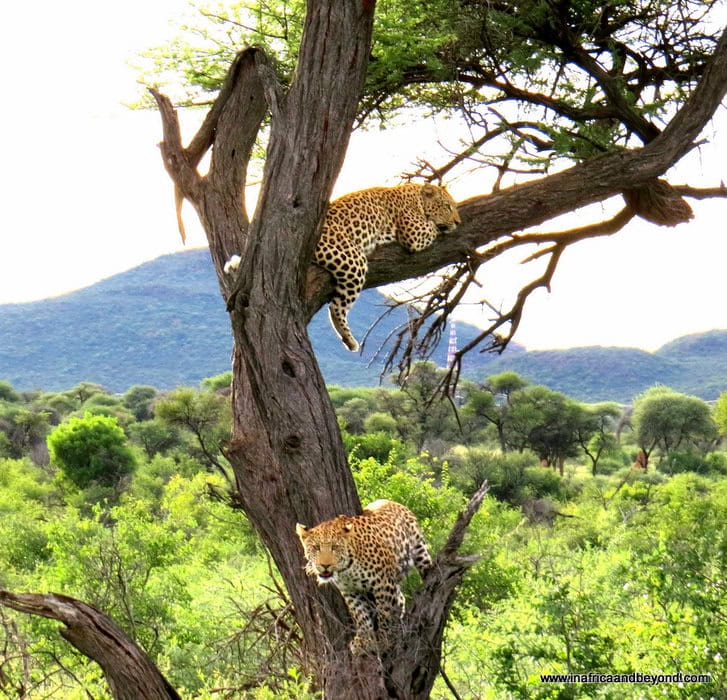
A wildlife photo journal is more than just a folder of trip shots. It is a record of behaviours, landscapes, and fleeting moments that would quickly fade if you relied on memory alone. Travel adds urgency and variety to your animal photography—you move through different habitats, the light changes by the hour, and encounters are often brief. A journal helps you plan what to look for, shoot with intent, and curate each day so the narrative remains fresh. It also promotes ethical practice: keeping a safe distance, respecting habitats, and documenting responsibly.
In this article, you will learn how to choose a story, prepare effectively, work confidently in the field, and complete a cohesive travel journal.
Wildlife photography tips begin with understanding your subjects’ behaviour. In their natural habitats, animals cannot be controlled or coordinated—you must adapt to them for the most compelling results. Learn feeding times, tracks, and calls; note wind direction; and position yourself with the sun at your back during dawn or dusk. Move slowly, pause often, and make use of natural cover. Trees, vehicles, and blinds can all work in your favour. If your fieldcraft needs sharpening, dedicated wildlife photography classes can quickly improve your skills, ethics, and strategy.
Taking great wildlife photos starts with a clear story. Decide whether your journal will follow one species, a habitat, or a route. List the shots you need—environmental scenes, portraits, and behavioural moments. Research peak activity times and set ethical distance guidelines. Sketch daily shot plans so you don’t end up chasing everything at once. Finally, create a simple file structure (day/location/species) to keep your notes and images organised. After your trip, a photo collage maker can help you combine your best wildlife shots into a visually engaging story that showcases the highlights of your adventure.
Wildlife Photography Gear
The ideal equipment for wildlife shots should be lightweight, durable, and quiet. Bring one versatile telephoto lens (100–400mm or 150–600mm) and, if possible, a 1.4× extender. Pack rain covers (for both lens and body), a dry bag, and a microfiber cloth for mist and dust.
Carry two to three fast memory cards (UHS-II) and at least two spare batteries kept in a pocket close to your body for warmth. For stability, a carbon monopod is quicker to use than a tripod, while a beanbag on a car window offers even more steadiness and discretion. Use a comfortable cross-body strap or chest harness to reduce fatigue, and keep a small first-aid kit and field notebook handy.
For a consistent visual style across your journal, you will also need reliable wildlife photo editing software to make light, natural refinements after each field day.
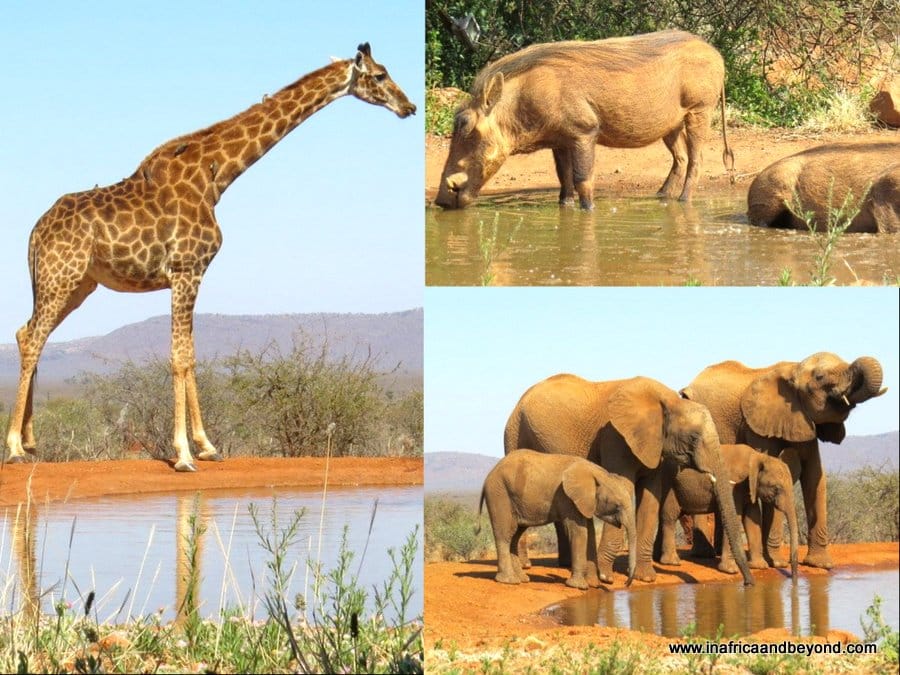
Views at the hide - Molori Safari Lodge
Wildlife photography tells a stronger story when you plan a mix of frames. Begin with wide establishing shots to place the species in its habitat, add mid-range context to show behaviour, and finish with tight details. Eyes, feathers, tracks, or food items provide extra depth and texture.
Think in pairs or triptychs that capture action → reaction → aftermath. Use foregrounds such as grasses or branches to create depth and clean edges. Shooting through foliage can soften distractions. Work with backlight to create rim glows, silhouettes at sunset, and reflections on water for symmetry. Keep horizons level, repeat a colour motif, and vary orientations to enhance your sequence with authenticity and rhythm. Edit daily and arrange thumbnails on a single screen to check flow and pacing.
Each evening, back up your cards, flag your best frames (★/★★), and write quick captions while details are fresh. Captions should include the species, behaviour, location, and a one-line story. Add GPS data only when it won’t compromise sensitive sites.
The sequence of your story should be straightforward. Start with an opener that draws the viewer in, move on to varied behaviours to maintain interest, include a peak moment for impact, and end with a quiet closer.
Mix wide shots for context, mid-range for action, and tight details for texture. Add short notes to connect the scenes. Incorporate field sketches, quotes, or snippets from your log. Keep captions factual yet vivid: who, where, when, what is happening, and why it matters. Before finalising, view the spread as a whole, check pacing, and trim duplicates so every photo earns its place.
Post-process with a light touch. Balance exposure and white balance, then unify colour across the sequence. Choose one frame as a reference and match the others accordingly. Apply selective noise reduction, sharpen fur or feathers gently, and avoid halos. Use masks to brighten eyes and reduce background distractions. Soft-proof for print and select matte or luster paper to match the journal’s mood.
Preserve your work with the 3-2-1 rule: three copies, two types of media, and one off-site. Embed IPTC metadata, keep a print-ready PDF, and export web JPEGs with consistent sizing and filenames.
A wildlife photo journal transforms fleeting encounters into a story you can revisit and share. Choose a clear narrative, prepare carefully, work patiently in the field, then refine and sequence your images while the memories are still fresh. Keep processing natural, captions meaningful, and layouts simple. Once the trip ends, print a small book or publish a clean web story—one page at a time.
This is a guest post.

Sara Essop is a travel blogger and writer based in South Africa. She writes about family travel and experiences around the world on her blog "In Africa and Beyond". Although she has been to 53 countries thus far, she especially loves showcasing her beautiful country and is a certified South Africa Specialist.