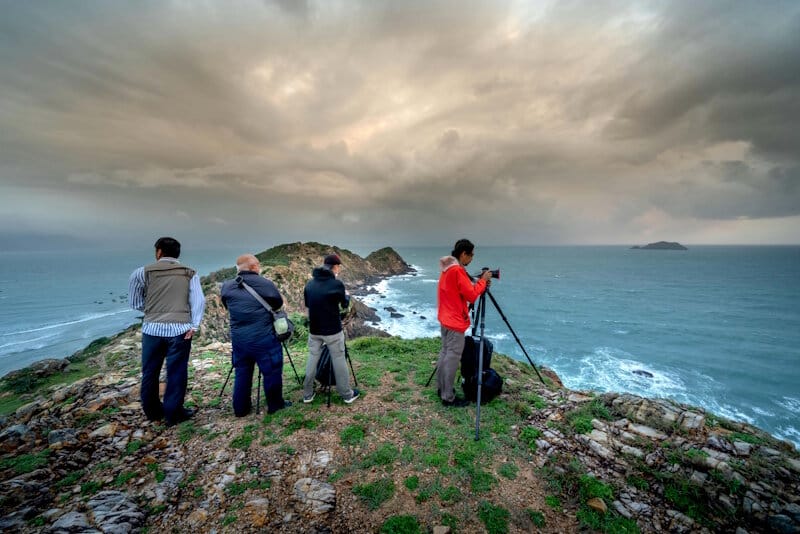
A photography tour is a guided trip built around taking great images. Instead of just sightseeing, the itinerary, timing and guiding are designed to put you in the right place at the right time, with expert support.
By Vanessa Rogers
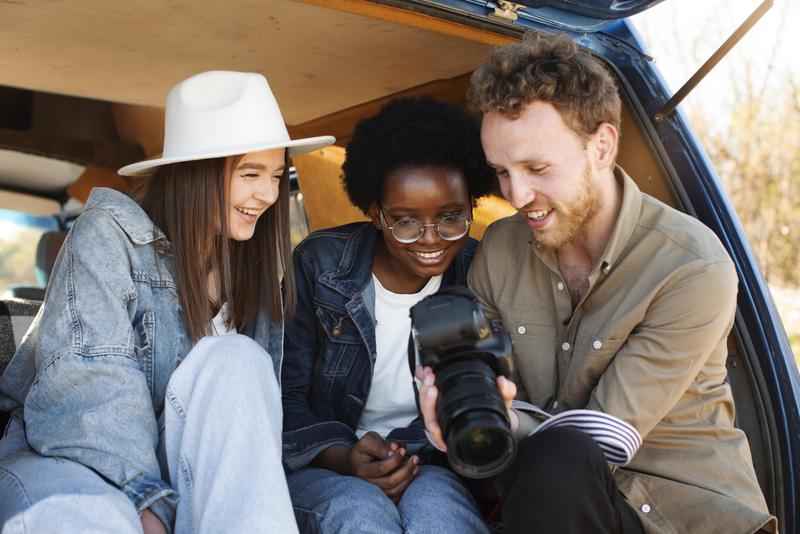
You’ll be guided by an expert—usually a professional photographer—who knows both the location and the craft, helping people on the tour with composition, camera settings and fieldcraft. A purpose-built itinerary typically includes early starts, sunset sessions (often called the ‘golden hour’), and off-peak visits, so you reach locations in the best light and with fewer crowds.
Generally, a tour like this is limited to a small group—typically four to 10 people—to allow for better access and more one-on-one guidance. Another benefit is that the logistics are usually handled by those in tourism jobs on your behalf, from transport, accommodation and park permits to local guides and most meals, allowing you to focus on shooting.
Think of it as a workshop on the move: you’re learning, shooting, reviewing images and sharing the experience with like-minded people.
South Africa is a dream destination because it offers an extensive variety of photographic opportunities in a relatively compact, easy-to-travel country. Options include:
In addition, many South African photography tours are run by local photographers who know specific animals’ territories, den sites, roosts and waterholes, greatly increasing the chances of capturing those ‘bucket-list’ shots.
Four key regions and their highlights are outlined below:
Private concessions such as Sabi Sands often allow off-road driving and fewer vehicles per sighting—gold for photographers.
While each operator differs slightly, a classic safari photography routine often looks like this:
City or landscape tours follow a similar rhythm, with pre-dawn starts, midday breaks and sunset or blue-hour sessions.
Five key differences stand out:
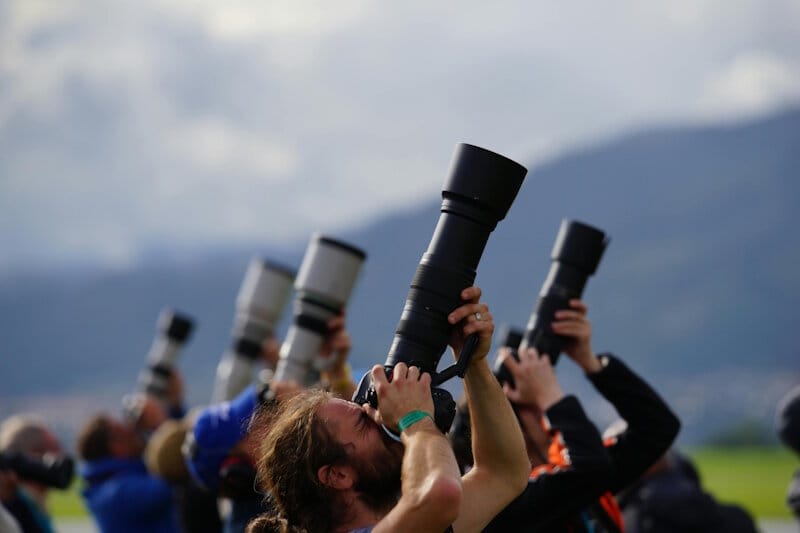
A key factor to consider is your experience level. Beginners often benefit from an emphasis on teaching, small groups and patient instruction, while intermediate or advanced photographers may prefer itineraries that maximise time in the field, offer access to rare subjects and minimise classroom sessions.
Group size and guide ratio are also important. Aim for six to 10 guests on landscape or city tours, and three to four photographers per vehicle on safaris, ideally with each person having a clear shooting angle.
Review the itinerary carefully: consider transfer times, the number of sunrise and sunset sessions, and whether rest periods are built in to manage fatigue—particularly in remote areas.
Two final but important considerations are specialisation and ethics. Choose operators whose portfolios reflect the work you want to create, and look for strong ethical practices such as partnerships with local communities, clear animal welfare policies and respectful guidance when photographing people or cultural sites.
Additional accessories include a sturdy tripod, beanbags or window supports for safari vehicles, ample memory cards and backup drives, rain covers or dry bags, and a cleaning kit.
Drone use is regulated by the South African Civil Aviation Authority (SACAA). Restrictions typically include limits near airports, national key points and populated areas, visual line-of-sight requirements and altitude caps. National parks such as Kruger generally ban recreational drones due to safety and wildlife disturbance. Always check current regulations before travelling.
Remain inside vehicles unless instructed otherwise, avoid pressuring animals, never feed wildlife and refrain from using flash at night unless specifically permitted.
As with many destinations, some areas have higher crime rates. Reputable tour operators mitigate risks through vetted drivers, secure lodges and organised transfers. Follow your guide’s advice and use common sense when carrying equipment.
Photography tours are rarely cheap—especially when they involve remote destinations, specialist guides and small groups. Whether they’re “worth it” depends on what you value. One reason they are often worth the investment is that you’re effectively paying for time, access and expertise—things that can take years to piece together without an organised tour. You’re also more likely to return with a cohesive body of work rather than a random collection of snapshots, and many participants describe these trips as “once-in-a-lifetime” experiences, not only for the photographs but for the friendships and shared focus that come with them.
However, you may want to reconsider a photography tour if you strongly prefer total independence and wandering off alone, or if you’re mainly a casual shooter who would be happiest with a simple sightseeing trip supplemented by a few self-guided photo walks. In this case, a good compromise is a hybrid option, such as a shorter three- to four-day photography workshop attached to a longer general holiday where you can do your own thing.
The most important principles include asking permission where appropriate—in many cultures it’s appreciated if you ask before taking someone’s close-up portrait. A smile, a gesture towards your camera and a simple “OK?” can go a long way. It’s also vital to be sensitive when photographing children and vulnerable people: always check with parents or guardians, and avoid images that feel exploitative or that you wouldn’t be comfortable showing them afterwards.
Whenever possible, share the results. Showing people the back of your camera is often appreciated, and some tours help facilitate sending digital copies or prints later.
Lastly, follow local customs and rules. Some religious sites or government buildings restrict photography, and while your guide should brief you on this, asking never hurts. Remember that you’re telling real stories, so try to avoid clichés and stereotypes. Look instead for moments of everyday life, dignity and humour—not just so-called “exotic” differences.
While South Africa (and the wider southern African region) is hugely popular for photography tours, there are several other “heavyweight” destinations where such tours are extremely common.
Choose South Africa if you want wildlife front and centre, prefer warm climates and golden light over cold, harsh environments, and are excited by early-morning game drives, sundowners in the bush and the possibility of seeing the Big Five—potentially all in a single day.\n
Choose Iceland or the Arctic if you’re drawn to dramatic landscapes, waterfalls, glaciers and night skies, and you’re comfortable with cold and potentially challenging weather.\n
Choose Japan or Italy if you love culture, food, architecture and street life as much as (or more than) nature, and you’re happy to walk extensively, use public transport and shoot in urban environments.
Ultimately, the “best” first photography tour is the one you’re genuinely excited about. Your enthusiasm will carry you through early alarms, jetlag and what may turn out to be long—but thrilling—days.
Travel as light as you can
Bring only what you’ll truly use. A slightly limited kit that you know well beats a back-breaking load you’ll struggle to manage.
Embrace all weather
Many iconic images come from so-called “bad” weather—storms, fog and drizzle included. Be prepared and keep shooting.
Be patient
Great images often come from waiting: for an animal to move into the right light, a person to enter your frame or clouds to shift.
Stay present
Don’t spend every break on your phone or buried in editing. The sounds, smells and conversations around you will influence how you see and shoot.
Back up daily
Assume that anything not backed up twice (or more) could disappear tomorrow.
Photography tours—whether tracking leopards in South Africa, chasing auroras in Iceland or wandering temple paths in Japan—are about more than just “getting the shot”. They’re about immersing yourself in a place, using your camera as an excuse to pay extra-special attention to it.
This is a guest post.

Sara Essop is a travel blogger and writer based in South Africa. She writes about family travel and experiences around the world on her blog "In Africa and Beyond". Although she has been to 53 countries thus far, she especially loves showcasing her beautiful country and is a certified South Africa Specialist.


Garden Route is a great example of how a road trip can connect travelers with nature in a meaningful way.