
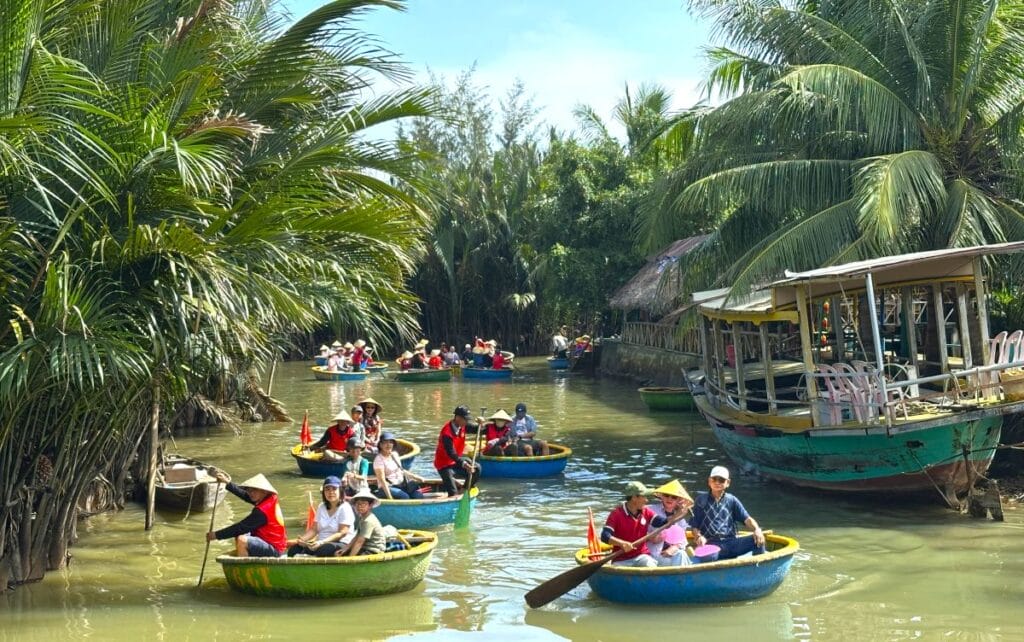
Is this beautiful country on your bucket list? See my tips on how to plan a trip to Vietnam.
Vietnam stretches nearly 1,650 kilometres from top to bottom, packed with ancient pagodas, colonial-era architecture, terraced rice paddies, and a spectacular coastline. Planning a trip here is genuinely worth it — but it requires a little homework. Get the timing, itinerary, and logistics right, and Vietnam will reward you with experiences you'll never forget.
This guide walks you through everything you need to know before you go.
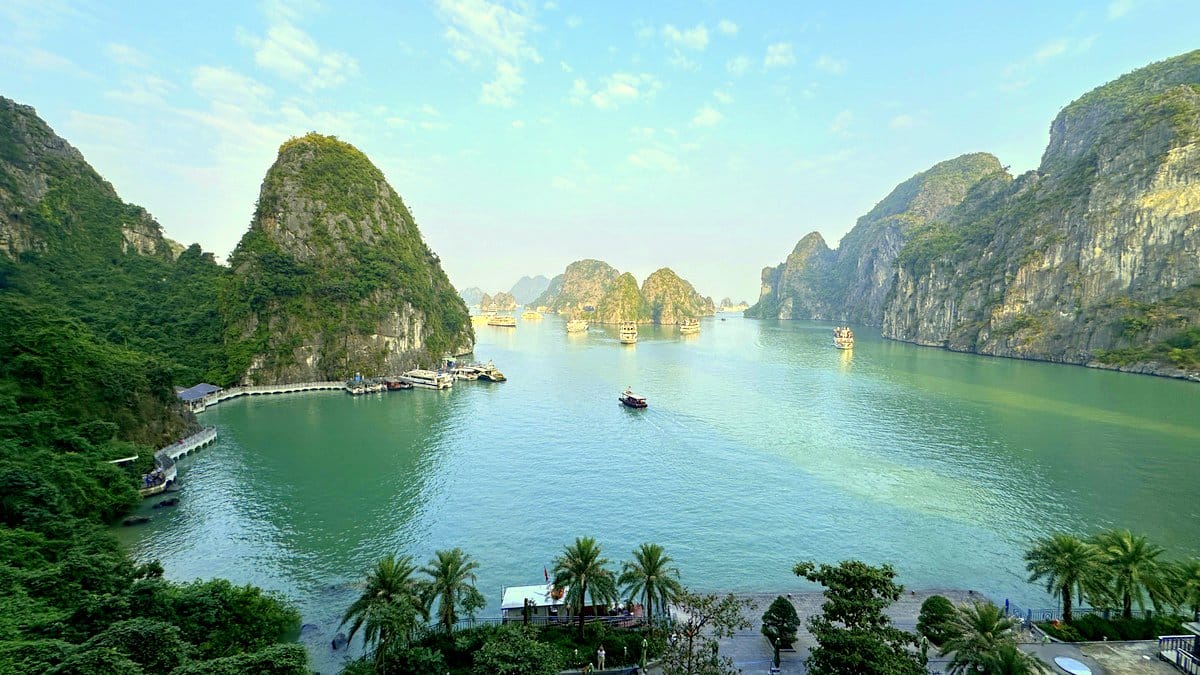
Ha Long Bay, Vietnam
Vietnam's climate is one of its most complex aspects. Because the country is so long, different regions experience very different weather at the same time. There is, unfortunately, no single "perfect" month to visit the entire country.
The north (Hanoi, Ha Long Bay, Sapa) has four seasons, with cool, sometimes foggy winters from December to February and a warm, humid summer from June to August. The best time to visit the north is from October to April, though December to February can be cool, misty, and overcast.
Central Vietnam (Hội An, Đà Nẵng, Huế) is prone to typhoons and heavy rain from October to December but enjoys beautiful dry weather from February through July. The months of February and March are the best — warm without being overly hot. We went in December and there were floods here before and after we left.
The south (Ho Chi Minh City, the Mekong Delta, Phú Quốc) has a dry season from November to April and a wet season from May to October. The wet season brings heavy afternoon downpours, but mornings are often clear.
Summary
Whole country in one trip: January & February are the safest months
Most travellers can apply for a Vietnam e-visa online on the official website. It costs around $25 USD and is processed within three business days.
Citizens of a few countries (including Germany, France, the UK, South Korea, and several others) also qualify for visa-free entry for stays of 45 days or less.
Always check the current rules on the official Vietnamese immigration website or through your country's embassy, as policies change. Your passport should be valid for at least six months beyond your planned entry date, and you'll need proof of onward travel ready at the border.
Vietnam is one of Southeast Asia's best-value destinations and the exchange rate works strongly in favour of most foreign visitors. The Vietnamese Đồng (VND) trades at roughly 25,000 VND to one US dollar, which means even moderate amounts of foreign currency go a long way, including our South African rands.
Credit and debit cards are not widely accepted except at upmarket hotels and international restaurants. Most local vendors, markets, street food stalls, and smaller hotels rely on cash and QR code-based mobile payments apps like MoMo, ZaloPay, and VNPay. Some of them require you to have a local bank account though so they may not be accessible to foreign visitors.
We were able to use Moreta Pay, a QR payment app linked to our South African bank accounts, which made transactions easier.
Alternatively, keep a ready supply of cash on hand for day-to-day spending. ATMs are available in cities and tourist areas, though they usually charge high withdrawal fees so draw larger amounts less frequently to minimise fees.
Tap water is not safe to drink anywhere in Vietnam. Stick exclusively to bottled or filtered water for drinking and brushing your teeth. Most hotels provide complimentary bottled water. Specify "no ice" if you're uncertain whether the ice was made from purified water — though reputable establishments in tourist areas usually use filtered ice.
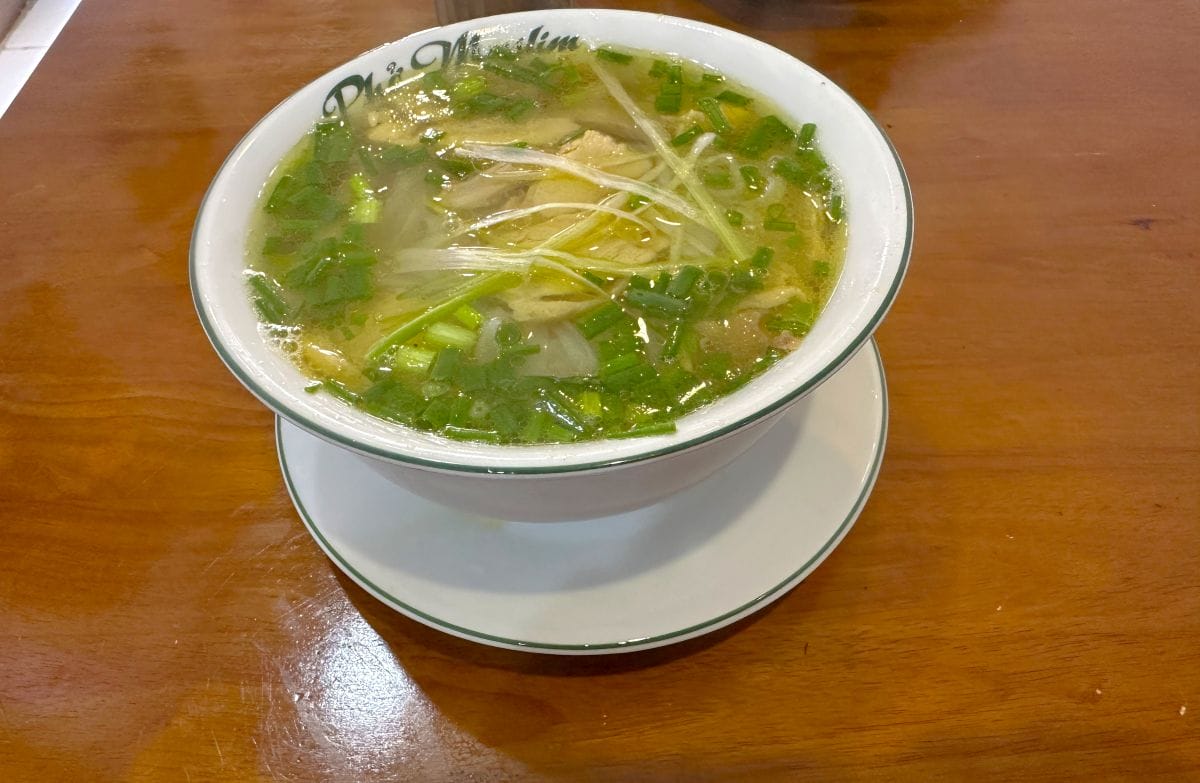
Pho, a popular local dish
Vietnamese food is delicious and its street food scene is world-famous. However, it does come with some risks—particularly if your digestive system isn’t yet acclimatised. Undercooked meats, pre-washed raw vegetables, and food left sitting out in the heat can cause upset stomachs.
Stick to stalls where the food is cooked in front of you, avoid raw salads and unpeeled fruit from unknown sources, and choose busy stalls with fast turnover over quiet ones. We went prepared with Imodium and Smecta. However, we chose to eat from restaurants only and avoid street food so didn’t need to use them.
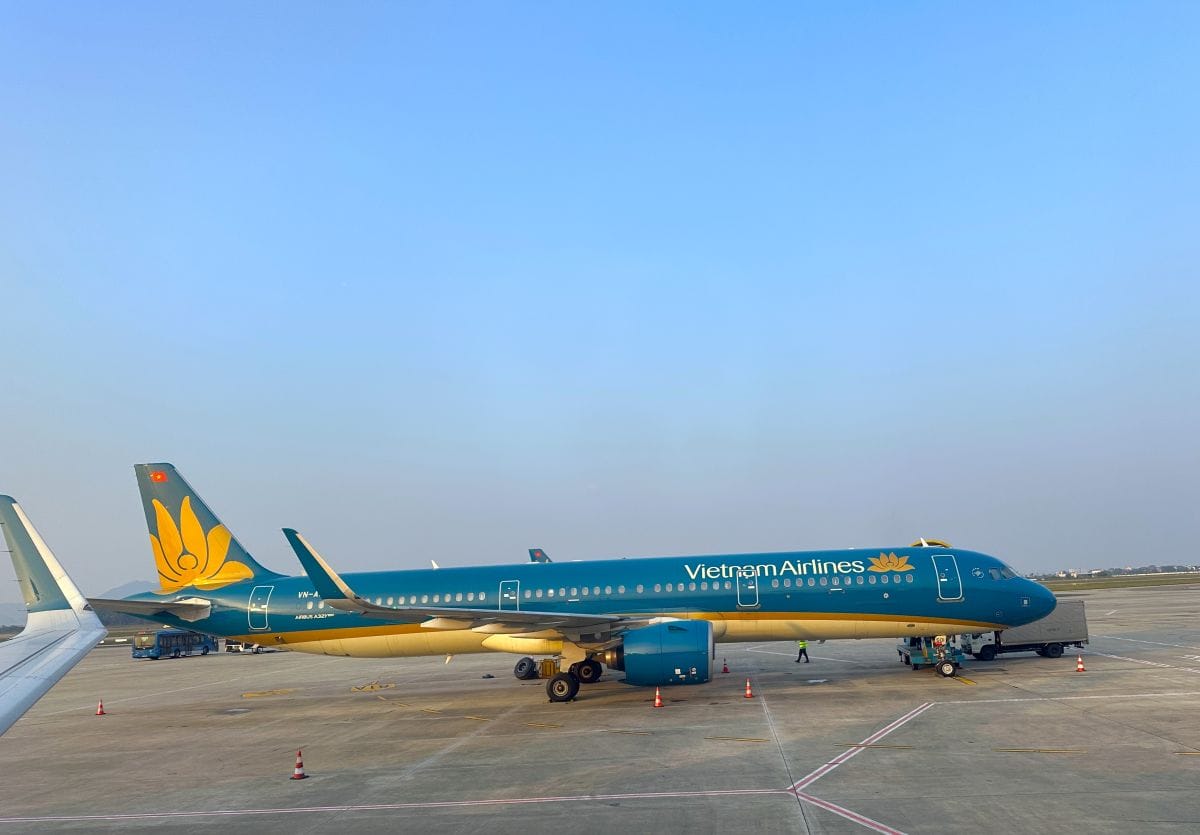
Vietnam Airlines
Between cities, Vietnam has affordable domestic flight connections (Bamboo Airways, VietJet, and Vietnam Airlines all cover the main routes). We used Vietnam Airlines for most legs and took a private bus from Huế to Hoi An.
Within cities, you can use Grab, the country’s most popular ride-hailing app to get a motorcycle or car ride. We also used City Sightseeing buses in the main cities to see attractions.
Vietnamese people are very friendly and English is spoken to some extent in the country's main tourist hubs, mainly by hotel staff and tour operators. Venture off the beaten track, however, and very little English is spoken. Older generations may speak some French rather than English. Downloading Google Translate with the offline Vietnamese language pack is highly recommended—the camera feature is especially useful for menus and signs.
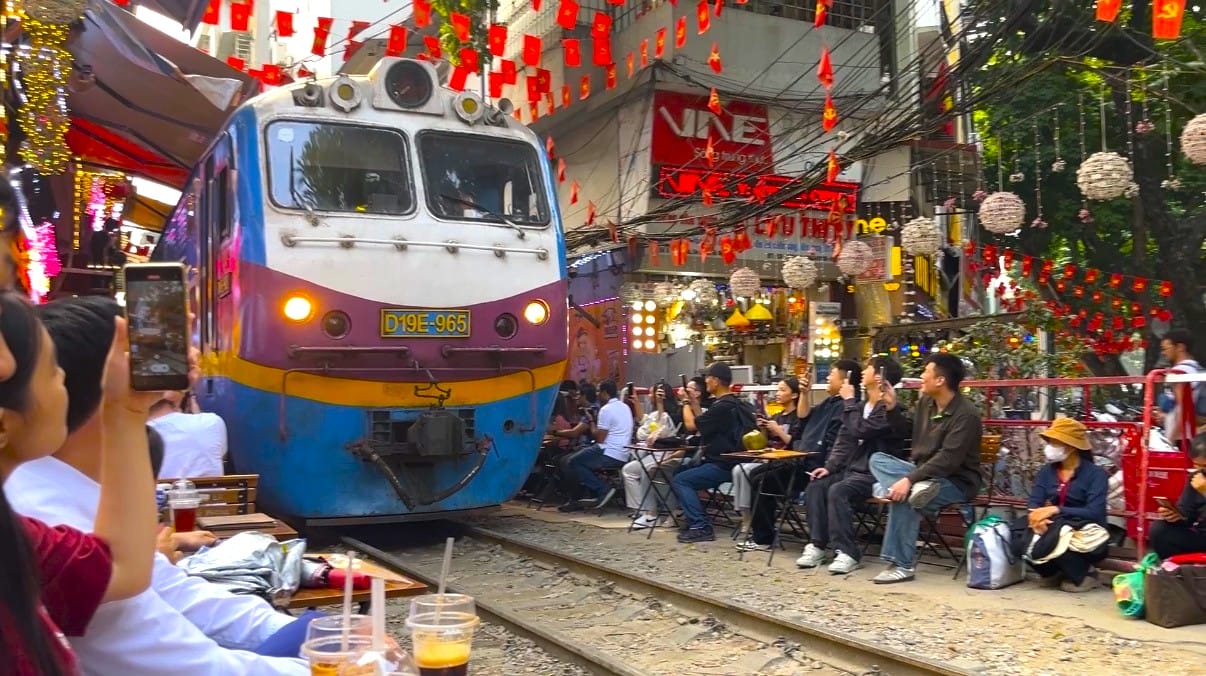
Train Street in Hanoi
The most popular Vietnam route runs north to south (or south to north) on the country's spine. Most first-timers cover the highlights in two to three weeks, though a month gives you more time to explore. Flying into Hanoi and out of Ho Chi Minh City (or vice versa) avoids backtracking and makes the most efficient use of your time.
Here are the most popular destinations:
North
Sapa
Central
Da Nang
South
We flew into Hanoi via Qatar Airways and covered most of these destinations except for Sapa.
Our itinerary was as follows.
1 night Hanoi
1 night Ha Long Bay
2 nights Hanoi
2 nights Huế
2 nights Hoi An
2 nights Ho Chi Minh City
From there, we continued on to Jakarta.
Other worthwhile additions include Ninh Binh in the north and the Mekong Delta or Phú Quốc in the south.
The single biggest mistake travellers make in Vietnam is trying to see too much too fast. It's tempting — the highlights are spread across the entire country, and everything looks unmissable on a map. We were guilty of this too and it made for a hectic trip.
In retrospect, I would have added an extra night in each place and taken more time to slow down and enjoy myself.
See how to apply for a visa for Vietnam.
See the best things to do in Hanoi.
See the best things to do in Huế.
See the best things to do in Hoi An.
See the best things to do in Ho Chi Minh City.
Read about our cruise in Ha Long Bay.


Sara Essop is a travel blogger and writer based in South Africa. She writes about family travel and experiences around the world on her blog "In Africa and Beyond". Although she has been to 53 countries thus far, she especially loves showcasing her beautiful country and is a certified South Africa Specialist.


Saving this for when we eventually get to visit Vietnam - it's on the list! Great tips here.
Great info. Somethings i should have thought of but didnt. Buy uncut fruits and veggies. I am always buying precut fruit markets and vendors... this makes so much sense and never thought of the risk of tummy issues bc of it
I visited Vietnam in mid-March 2025 on a small group tour. We traveled north to south. I love the Vietnamese people. They are so warm. The food was incredible. I agree that it is smart to avoid one night stays as it is exhausting. But we did a home stay which I recommend.