
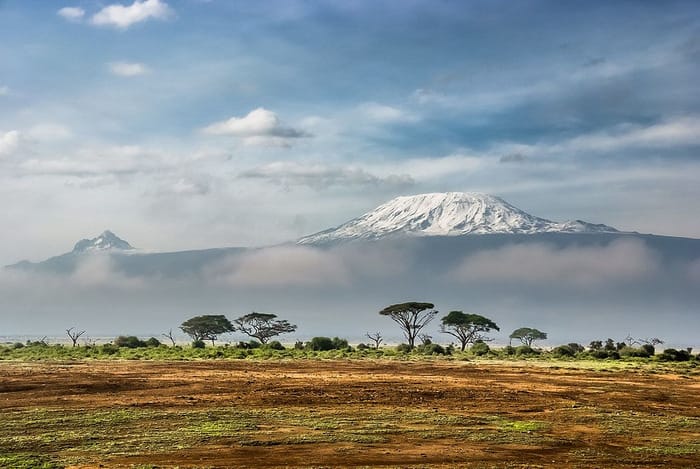
Travelling across Africa often means experiencing a wide range of climates and environments in a single trip. A journey might include warm coastal cities, dry savannah landscapes, cool mountain regions, and bustling urban centers.
Packing clothing for such variety requires a flexible strategy. The goal is not to bring outfits for every scenario, but to choose versatile pieces that adapt to different conditions.
With thoughtful planning, you can pack lighter while still staying comfortable throughout your journey.
One of the most helpful packing strategies for long trips is to focus on layers instead of complete outfits.
A breathable base layer, a light mid layer, and a weather-resistant outer layer allow you to adjust to changing temperatures throughout the day. Early mornings on safari can feel cool, while midday temperatures may climb quickly.
Lightweight shirts, neutral pants, and simple layering pieces give you multiple combinations without overpacking.
Travel clothing experts often emphasise that layering systems are far more adaptable than packing many separate outfits. According to National Geographic Travel, versatile clothing that can be mixed and layered is key for long journeys with changing environments.
Even when travelling through warm regions, a lightweight jacket can be surprisingly useful.
Evenings can cool down in many parts of Africa, especially in higher elevation areas or desert environments. Early morning wildlife drives can also be chilly.
A packable shell or light insulated layer works well because it protects against wind and occasional rain while remaining easy to store in a backpack.
Many travellers rely on lightweight outdoor jackets by Patagonia because they compress easily and provide dependable protection when the weather shifts.
The key is portability rather than heavy insulation.
Source: https://www.pexels.com/uk-ua/photo/4245905/
In many regions, Africa’s climate is warm and sunny, which means breathable fabrics are essential.
Cotton, linen, and modern moisture-wicking materials help regulate body temperature and reduce discomfort during long travel days.
Loose-fitting clothing also allows air circulation, which makes a noticeable difference when spending time outdoors.
Long sleeves can actually be helpful in warm environments because they provide sun protection without trapping excessive heat.
Neutral colours such as khaki, olive, beige, and grey are popular for travel across many African regions.
These colours blend well with natural environments and tend to hide dust or dirt better than bright shades. They also combine easily with other items in your suitcase.
Neutral clothing simplifies outfit combinations and reduces the total number of items you need to bring.
Many trips across Africa involve long drives, walking tours, markets, wildlife reserves, and outdoor excursions.
Stretchy fabrics and lightweight pants make it easier to move comfortably throughout the day. Travel-friendly fabrics that resist wrinkles are also helpful when living out of a suitcase.
Clothing that supports movement tends to be worn far more often than rigid or formal pieces.
Packing for lengthy journeys does not mean bringing enough clothes for every single day.
Most hotels, lodges, and guesthouses offer laundry services or self-service options. This allows travellers to rotate a smaller set of clothing throughout the trip.
Many experienced travellers pack for roughly one week and rely on occasional laundry to keep things fresh.
This approach keeps luggage manageable while still providing variety.
Sun exposure can be intense in many parts of Africa.
Wide-brim hats, sunglasses, and lightweight long-sleeve shirts help protect skin during outdoor activities. Sunscreen is also essential, especially when spending extended time outdoors.
Travel health resources such as the World Health Organization highlight sun protection as an important consideration when travelling in regions with strong sunlight exposure.
Protective clothing often works alongside sunscreen to reduce risk.
While clothing is important, shoes also play a big role in comfort during long trips.
Comfortable walking sneakers handle city exploration and market visits, while lightweight hiking or trail shoes can be helpful for nature reserves or rural areas.
Choosing versatile footwear reduces the number of pairs you need to pack.
The most successful packing strategies focus on adaptability. A few well-chosen pieces that work in multiple situations are far more valuable than a large wardrobe that only works in specific conditions.
Layerable clothing, breathable fabrics, and a reliable jacket create a travel wardrobe that handles changing climates across the continent.
With the right preparation, packing for a long trip across Africa becomes less about quantity and more about thoughtful versatility.
This is a guest post.

Sara Essop is a travel blogger and writer based in South Africa. She writes about family travel and experiences around the world on her blog "In Africa and Beyond". Although she has been to 53 countries thus far, she especially loves showcasing her beautiful country and is a certified South Africa Specialist.