
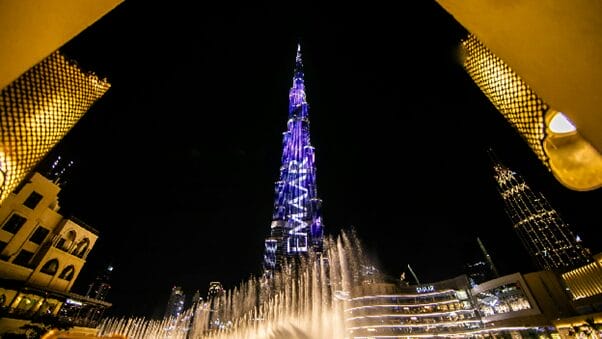
Dubai is not just a city; it’s a meticulously designed visual experience. From the parametric curves of neo-futuristic architecture to the stark, minimal lines of the Arabian desert, the emirate offers a canvas unlike any other. However, capturing the true essence of Dubai requires more than just pointing a camera at a skyscraper. It demands an understanding of light, scale, and the city’s inherent luxury.
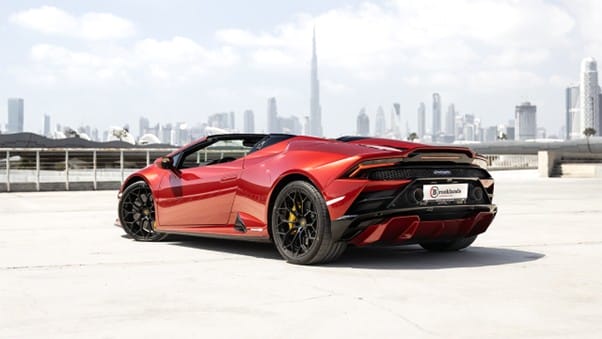
In Dubai, the context of your journey is just as important as the destination. The vehicle you arrive in isn't just transport; it becomes the foreground of your aesthetic. To match the city’s neo-futuristic architecture, your visual narrative requires aggressive, uncompromising design. This is where sourcing the right vehicle becomes part of the creative process itself. For content creators who refuse to compromise on style, selecting a model from the curated Brook Drive Rent Lamborghini fleet transforms a standard location shot into a high-end editorial, ensuring your foreground commands as much attention as the iconic skyline behind it.
Here is the definitive, fluff-free guide to Dubai’s 15 most striking locations, curated with exact vantage points, optical advice, and insider details for those who appreciate exceptional photography.
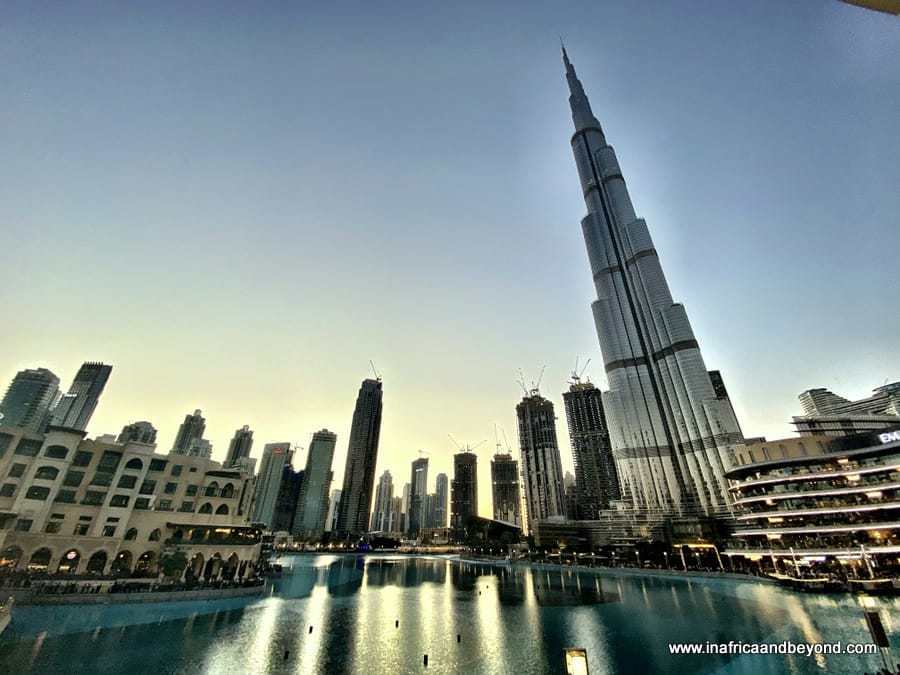
Burj Khalifa , Dubai, United Arab Emirates
Capturing the 828-metre monolith requires distance and an ultra-wide-angle lens (14mm-24mm). Shooting from directly underneath results in severe perspective distortion.
A masterclass in parametric design. The torus-shaped structure clad in stainless steel and Arabic calligraphy, which actually function as the building's windows, reflects light dynamically.
The urban skyline means nothing without the contrast of the barren desert. Al Qudra offers rolling, untouched dunes just 40 minutes from Downtown Dubai.
A necessary juxtaposition to modern Dubai. Built from coral stone and gypsum, this labyrinth of wind towers (Barjeel) offers highly textured, cinematic backdrops.
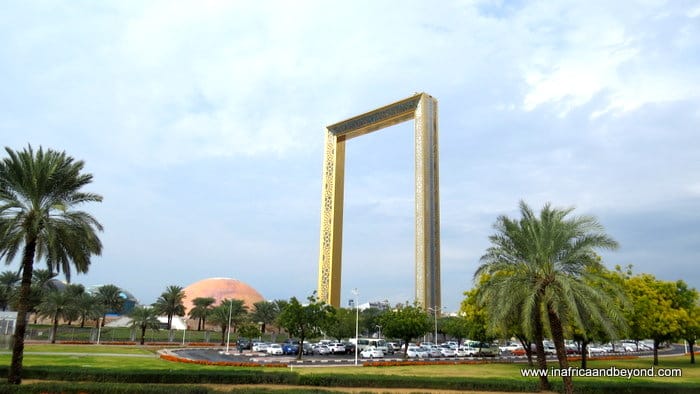
Dubai Frame
A 150-metre architectural landmark framing the division between Old and New Dubai.
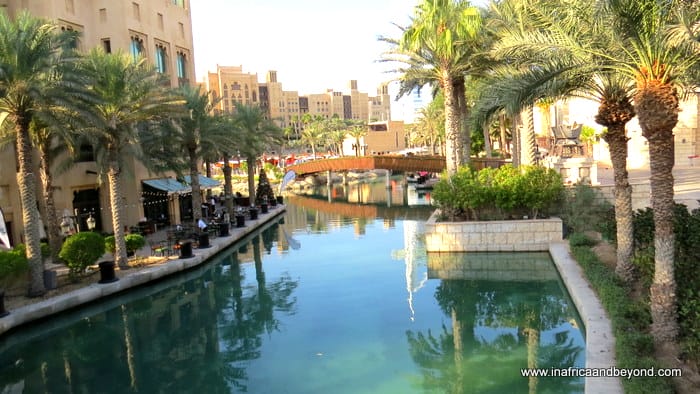
Souk Madinat Jumeirah
A modern interpretation of a traditional Arabian souk, intersected by waterways with direct sightlines to the Burj Al Arab.
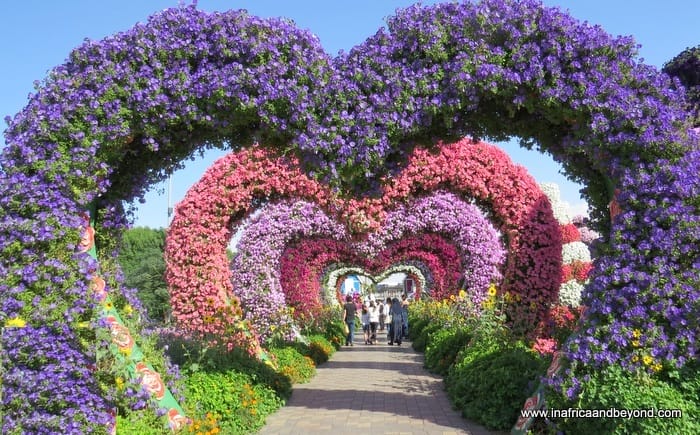
Miracle Gardens
A surreal, high-saturation environment featuring millions of flowers arranged in massive topiary structures. (Note: Open seasonally from October to May).
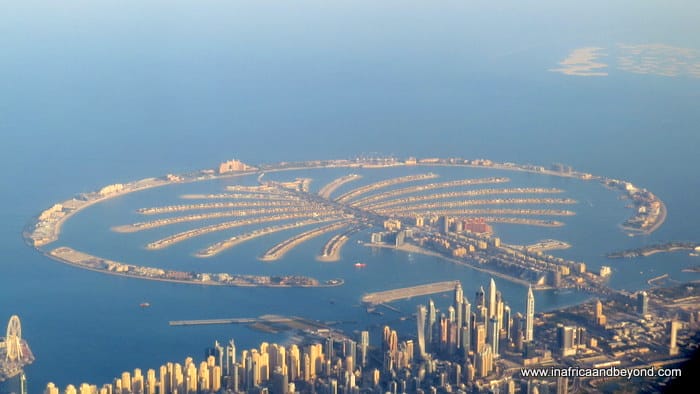
This is the only way to accurately capture the sheer engineering scale of the Palm Jumeirah’s fronds.
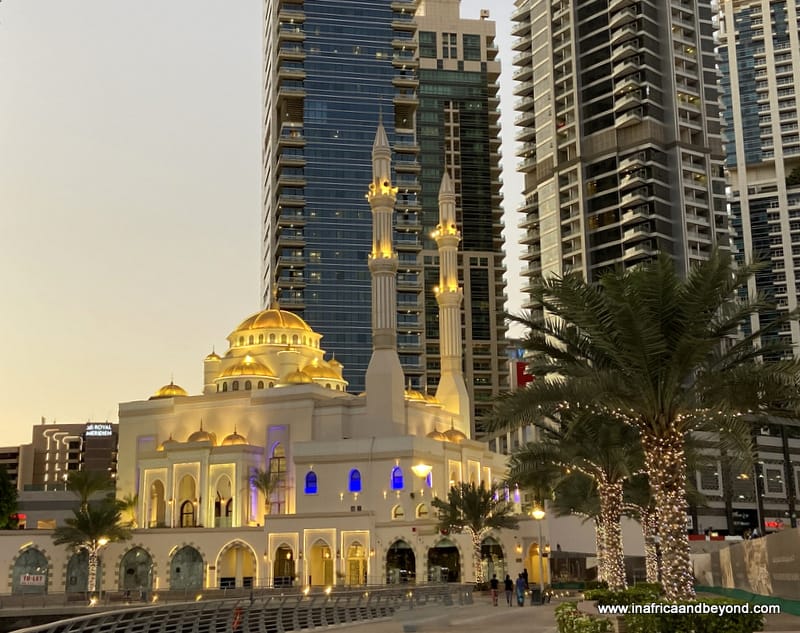
Al Rahim Mosque
A dense, vertical waterfront city. The architecture here is aggressive, modern, and best viewed when illuminated.
The world's largest observation wheel dominates the coastline. While the wheel is currently non-operational, its aggressive industrial geometry remains a premier photographic subject.

Burj Al Arab
The definitive, unobstructed public view of the iconic sail-shaped hotel.
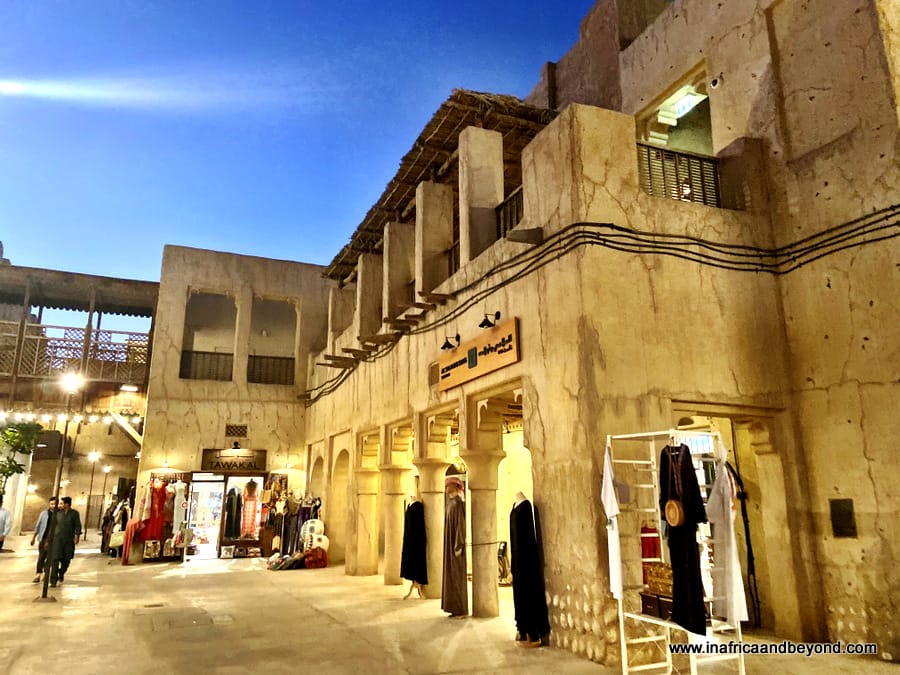
Al Seef Heritage District
This creek-side development is an architectural timeline. Half of it is ultra-modern steel and glass; the other half is meticulously aged faux-historical masonry.
An open-air, European-style pedestrian precinct known for its commissioned street art, neon accents, and stark modernism.
Jorge Marín’s bronze wings strategically placed with the Burj Khalifa perfectly centered between them in Burj Plaza.
High-altitude luxury on the 54th floor. This venue features an infinity pool seamlessly framing the Downtown skyline.
Do not attempt unauthorized drone flights. Due to past security and airspace incidents, Dubai’s airspace is strictly closed to recreational drones. Unless you hold a commercial DCAA (Dubai Civil Aviation Authority) license and specific location permits, drones will be confiscated at customs or heavily fined upon use. Rely exclusively on elevated observation decks for aerial perspectives.
The "best time to shoot" goes beyond avoiding the summer heat. Between May and September, the sun is directly overhead, creating harsh, unflattering shadows and a thick atmospheric dust haze that washes out skylines. October through April offers a lower sun angle, resulting in clearer skies, sharper contrasts, and a prolonged, softer golden hour. Occasionally, the Shamal winds bring sandstorms; rather than packing up, use this natural diffusion for incredibly atmospheric, moody, low-visibility architectural shots.

Sara Essop is a travel blogger and writer based in South Africa. She writes about family travel and experiences around the world on her blog "In Africa and Beyond". Although she has been to 53 countries thus far, she especially loves showcasing her beautiful country and is a certified South Africa Specialist.