First-time safari travellers tend to overpack. The anxiety of being far from familiar shops, combined with the sheer unfamiliarity of what a safari actually requires day to day, leads to bags full of things that never leave the lodge room and conspicuous gaps where the genuinely useful items should have been.
Experienced safari travellers have usually made those mistakes once. What they pack on the second and third trip looks very different from the first, and the difference comes down to understanding what the environment actually demands rather than what the imagined version of a safari looks like.
The neutral color palette associated with safari dressing exists for practical reasons. In East Africa, black and blue clothing attracts tsetse flies. In Southern African countries including Zimbabwe and Botswana, camouflage is illegal. Beyond the rules, bright colors make you conspicuous on walking safaris in a way that disrupts both your experience and the animals around you.
Experienced travellers pack khaki, olive, tan, and light brown across their entire wardrobe for a safari trip. Neutral tones also show less dust, which matters considerably when you are spending hours on unpaved tracks in the dry season.
The temperature variation across a single safari day is one of the things that catches newcomers off guard most often. Pre-dawn game drives in open vehicles can be genuinely cold, even in destinations that feel searingly hot by midday. By afternoon the heat is often intense. After sunset, temperatures drop again, sometimes sharply.
The answer is lightweight layers that can easily be added and removed throughout the day without taking up significant bag space. A thin merino base layer, a fleece mid-layer, and a wind-resistant outer shell cover the full range without the weight of packing for each condition separately. What gets left behind on this logic is anything that serves only one temperature range.
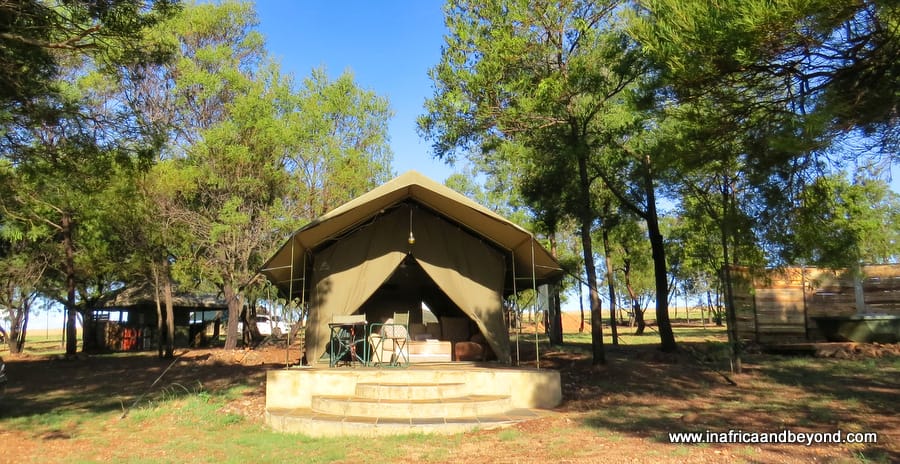
Safari Tent
Sleeping in a tent or a tented lodge in the African bush is a different experience from sleeping in a hotel room, and the preparations that make it genuinely restful are worth thinking about before you leave.
Temperatures inside canvas tents can swing considerably overnight, and the humid conditions in destinations near rivers or in rainforest-adjacent areas mean that sleeping in non-breathable fabric leaves you uncomfortable by early morning. Cooling sleepwear specifically designed for moisture management is one of the more useful things experienced safari travellers quietly include in their kit. It takes up almost no space, packs flat, and the difference between sleeping comfortably through the night and waking up overheated and damp at 3am matters considerably when a 5am game drive follows.
A lightweight sleep sheet is worth considering for similar reasons. Some camps provide bedding that feels heavy relative to the ambient temperature, and having something lighter to use instead or to layer under gives you control over your sleep environment in a setting where very little else is controllable.
This is the item that most experienced safari travellers will say they wish they had prioritized sooner. A 10x42 or 8x42 binocular with good low-light performance transforms the experience of a game drive in a way that nothing else does. Being able to resolve a distant leopard in a tree or watch an eagle in detail from a vehicle makes the entire trip sharper and more memorable.
The common mistake is treating binoculars as an optional extra and bringing a cheap pair to cover the possibility of needing them. The other common mistake is bringing enormous, heavy binoculars that are uncomfortable to hold for extended periods. A quality mid-weight pair from Nikon, Swarovski, or Zeiss is worth the investment and will outlast the trip considerably.
This sounds like a small distinction. In practice it is not. Walking between tents and facilities in a dark camp at night, reading on the porch of a lodge after dinner, navigating the inside of a tent without waking your travel companion: all of these require both hands free. A head lamp handles every situation a standard torch handles, plus all the ones it does not.
Pack a compact model with a red light setting. Red light preserves night vision and is less disruptive to wildlife in camps where animals move through freely after dark.
African roads, particularly in the dry season in the Okavango, the Serengeti, or the Kruger, generate volumes of fine red dust that find their way into everything. A dedicated dust bag or a sealed case for your camera, phone, and any other electronics is essential. Experienced travellers keep electronics sealed except when in active use and wipe lenses and screens at the end of each drive.
Tauck, one of the most respected names in luxury safari travel, recommends packing a small personal kit for common ailments alongside sunscreen, quality insect repellent, and a reusable water bottle as non-negotiable items, noting that preparation at this level separates a comfortable trip from an uncomfortable one.
These two items receive so much coverage in general safari advice that experienced travellers do not always mention them explicitly, which leads first-timers to underestimate them. Start antimalarials as directed before departure, not on arrival. Use a DEET-based repellent in the evenings and any time you are near water. Apply sunscreen before every game drive, including early morning drives when the sun appears mild but UV exposure at altitude is higher than expected.
The cumulative effect of sun exposure across a ten-day safari without consistent protection is significant. This is an area where the experienced traveller's discipline pays off clearly.
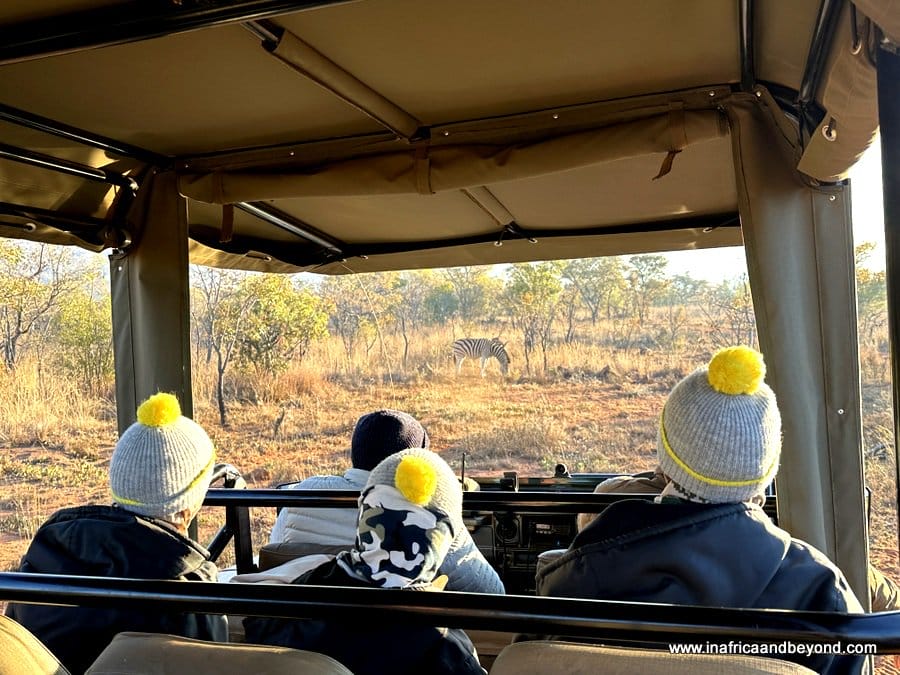
Early morning game drive

Sara Essop is a travel blogger and writer based in South Africa. She writes about family travel and experiences around the world on her blog "In Africa and Beyond". Although she has been to 53 countries thus far, she especially loves showcasing her beautiful country and is a certified South Africa Specialist.