
Ever feel stuck, like your body was in a chair, but your heart was somewhere far away?
That was me. Sitting at my desk. Typing emails. Drinking cold coffee. And wondering if there was more to life than computer screens and to-do lists.
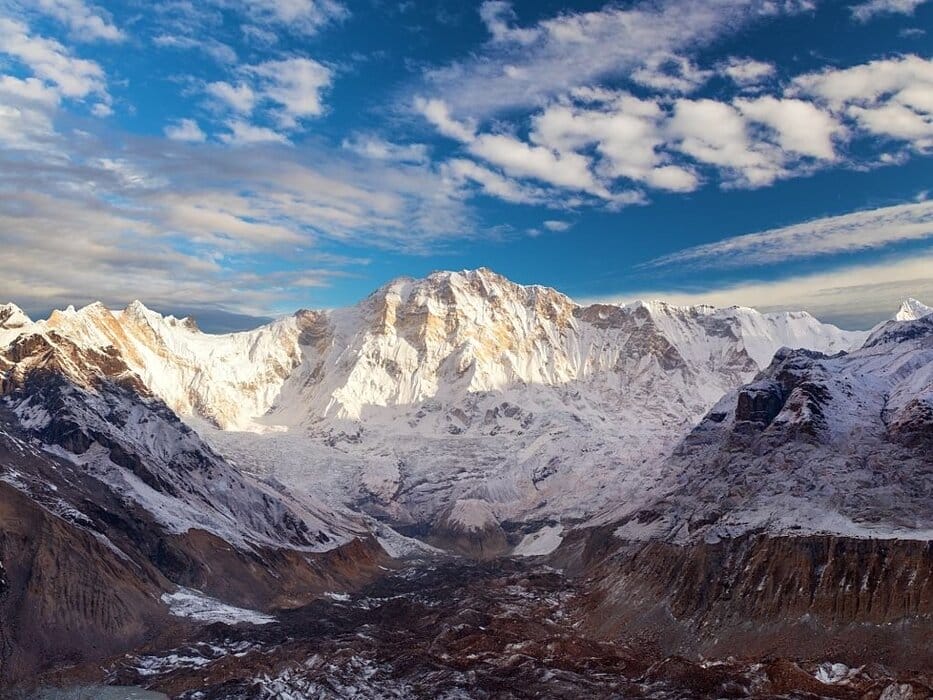
Then one day I saw a photo of a snowy trail in Nepal. I didn’t know the name, just that it looked peaceful, wild and free. That trail turned out to be the Annapurna Circuit Trek,
and I made a bold choice: leave the office chair behind and walk across the Himalayas for two weeks.
This is what happened next.
From green hills to frozen passes, from sore feet to full heart, this trek taught me more than any office job ever could.
And if you’re dreaming of escape, maybe this is your sign too.
I was tired all the time. Emails, meetings, long to-do lists, my life felt like a never-ending race. Even when I finished my work I didn’t feel happy. I felt stuck. My head was full of noise, but my heart felt quiet. That’s when I realised: I needed space. Not just rest, but something different. Something bigger.
One night I saw a photo of snowy mountains and tiny trails. It was about a place called the Annapurna Circuit trek. I didn’t know much, but I felt something deep inside me
whisper, “Go.”
So I bought a ticket to Nepal. No fancy plans. Just a backpack, a dream and a lot of hope. That one choice, leaving behind my screen for the mountains, changed everything. The
trek didn’t just take me across hills and rivers. It helped me find myself again.
Before you put on your hiking boots and head into the mountains, there are a few important things you should know. Trekking the Annapurna Circuit isn’t just about
walking, it’s about being prepared for the weather, the altitude and the long days on the trail. In this section I’ll share some helpful tips that I wish I knew before I started.
From the best time to go to what to pack and how to train, here’s everything you need to get ready for your Annapurna adventure.
You can’t just go any time of the year—weather matters!
The best time to trek the Annapurna Circuit is:
● October to November (cool and clear)
● March to April (warm and full of flowers)
These months are sunny, the sky is blue and the views are amazing. The trails are dry, which means fewer chances of slipping or getting stuck in the mud. In winter
(December–February) it’s very cold and snowy. In summer (June–August) it rains a lot. So, if you want the best experience, go in autumn or spring.
The Annapurna Circuit is not just a walk in the park, it’s long and goes really high! So I trained a little before going.
Here’s what I did:
This helped my body get ready to climb up and down hills every day. You don’t need to be an athlete, just stay active and move your body often.

Thorong La
My journey began in a small town called Besisahar. The first day felt new and exciting, I was finally on the trail! I walked past rice fields, green hills and little villages where kids smiled and said “Namaste.”
By the second day the air was cooler and the hills started turning into mountains. I reached a place called Chame, where the houses had colourful prayer flags. My legs were a little sore, but my heart was happy.
These days were epic. I saw waterfalls crashing down rocks and crossed wooden bridges over rivers.
We stopped in small towns where we could get food, snacks and even Wi-Fi! But we also started to feel the air getting thinner, it was harder to breathe when we climbed.
One sign in the trail said: “You are entering high altitude—walk slowly!” That’s when I knew things were getting serious.
Manang was like a town in the clouds. I stayed there for two days to let my body get used to the high altitude. This is called acclimatization.
Instead of hiking far, I took short walks, drank lots of water and ate hot soup. I met other trekkers from all over the world.
It was peaceful. I learned that resting is part of the adventure.
After Manang the trail went higher and the trees disappeared. I saw yaks—big, furry animals that live in the mountains. They walked slowly, just like us.
The sky looked wider. The mountains looked closer. And the air? It felt cold and thin. Every step took more energy, but every view was worth it.
At night the stars were so bright they looked like tiny lamps in the sky.
This was the biggest day of the whole trek. We woke up before the sun, in the dark and cold. We wore all our warm clothes and started walking uphill—slowly, carefully.
After many hours I reached the Thorong La Pass—it’s 5,416 meters high! There was a big sign with prayer flags flapping in the wind.
I felt tired, proud and amazed all at once. I did it!
After the pass we went down to Muktinath, a sacred place with old temples, spinning prayer wheels and calm courtyards.
I felt peaceful there.
Then we went to Jomsom, a windy little town where I had hot apple pie and a soft bed. It was the end of my trek and I felt a little sad but also very proud of what I had done.
I came as a hiker. I left as someone changed by the mountains.
As I went higher the air got thinner. That means there was less oxygen and it was hard to breathe. I would walk just a few steps and feel like I had run a marathon.
At night it got really cold even with a sleeping bag and warm clothes. My nose felt frozen and sometimes I wore a hat while sleeping! It wasn’t always fun. But I reminded myself: “This is part of the travel adventure.”
Drinking warm soup, moving slowly and resting helped.
Some days I didn’t want to get out of bed. My legs were tired, my backpack felt heavy and the trail looked so long. It was a battle in my mind, part of me wanted to quit and part of me said “Keep going”.
I told myself little things like:
And guess what? Those small thoughts gave me the strength to keep walking.
On the trail I met some amazing people.
One day I was cold and tired and a lady in a teahouse gave me hot tea with the kindest smile. Another time a fellow trekker shared his cookies when I was hungry. People helped each other even if they didn’t speak the same language.
Those little acts of kindness felt like magic.
I made new friends from different countries and we laughed, shared meals and helped each other through the tough parts. I didn’t expect that. But it was one of the best parts of the journey.
If I could go back and do the Annapurna Circuit a second time, here’s what I would change:
Two weeks ago I was sitting under bright office lights, stuck in a routine. Now, after the Annapurna Circuit, I feel changed. The mountains taught me to be patient, the people showed me kindness and every step reminded me how strong I am. If you’re thinking of doing this trek, do it.
The Annapurna Circuit isn’t just a path through Nepal’s landscapes, it’s a journey into your heart. You’ll come back with tired legs, a full soul and a story you’ll never forget. And just like other travel experiences that stay with you forever, this one will be a chapter you’ll cherish for life.
This is a guest post.

Sara Essop is a travel blogger and writer based in South Africa. She writes about family travel and experiences around the world on her blog "In Africa and Beyond". Although she has been to 53 countries thus far, she especially loves showcasing her beautiful country and is a certified South Africa Specialist.