
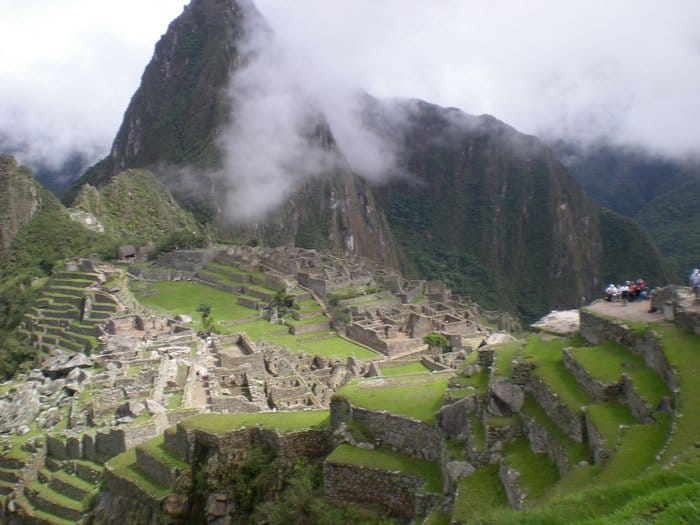
For many travellers, the journey to Machu Picchu is just as memorable as exploring the ancient Inca citadel itself. While the famous destination often steals the spotlight, an important part of the experience begins in a charming town nestled in Peru's Sacred Valley: Ollantaytambo.
Rich in history, surrounded by spectacular mountain scenery, and home to one of Peru's busiest railway hubs, Ollantaytambo has become the main departure point for thousands of visitors heading to Machu Picchu every day. Understanding how the station works, what services are available, and how to prepare for your departure can make your journey far smoother and much more enjoyable. Whether you're visiting Peru for the first time or returning to explore more of the Andes, here's everything you should know before boarding your train.
While most international visitors begin their trip in Cusco, the majority of trains to Machu Picchu depart from Ollantaytambo. Located approximately 70 kilometres northwest of Cusco, the town sits at a lower altitude, making it a comfortable stop for travellers who are still adjusting to the Andes.
It also serves as one of the best-preserved examples of an original Inca settlement, with narrow cobbled streets, centuries-old irrigation channels, and impressive stone architecture still in everyday use. Since road access to Machu Picchu is limited, travellers continue the final stage of their journey by train through the Sacred Valley.

Ollantaytambo Train - Image via DepositPhotos
Rather than arriving just in time for your train, consider spending a few hours in Ollantaytambo. Some of the town's highlights include:
Many visitors find that exploring the town provides valuable historical context before arriving at Machu Picchu itself.
The railway from Ollantaytambo to Machu Picchu Pueblo follows the Urubamba River through one of Peru's most spectacular landscapes. As the train travels deeper into the Andes, passengers enjoy a constantly changing scenery that includes:
The journey typically takes between 1½ and 2 hours and is often considered one of South America's most scenic rail experiences.
Unlike a large metropolitan railway station, Ollantaytambo is compact, easy to navigate, and designed with travellers heading to Machu Picchu in mind. Most facilities are within a short walking distance, making it simple to move between the station, nearby cafés, shops, and hotels.
Depending on your train operator, boarding procedures may vary slightly, but passengers are generally asked to arrive ahead of departure for ticket verification and boarding. Allowing yourself enough time before your scheduled train helps ensure a relaxed start to your journey.
The area around the station offers a range of services designed to make travel more convenient. Depending on your train operator, you may find:
Checking your train operator's boarding instructions before arriving can help make the departure process smoother, particularly during busy travel periods.
Most visitors reach Ollantaytambo by road from Cusco or other parts of the Sacred Valley. Private transfers, shared shuttles, organised tours, and taxis all connect the town with nearby destinations.
Since the historic centre is relatively compact, many hotels are within walking distance of the railway station. If you're staying overnight, it's often possible to reach the station on foot in just a few minutes.
One of the most common questions first-time visitors ask is how early they should reach the station. A good rule is to arrive at least 30 to 45 minutes before your scheduled departure. This provides enough time to locate your boarding area, verify your travel documents, and settle in without feeling rushed. During Peru's busiest travel months, allowing a little extra time is always a sensible idea.
Machu Picchu remains one of South America's most visited destinations, and train seats can sell out quickly, especially during the dry season and major holidays. While tickets may sometimes be available through station ticket offices, booking online well in advance gives you the widest choice of departure times and available seats. Advance reservations are particularly recommended during peak travel periods.
Before leaving your hotel, it's worth making a quick checklist. Be sure to bring:
Travelling light makes boarding easier and allows you to move comfortably between the station, train, and onward transportation.
After leaving Ollantaytambo, trains arrive in Machu Picchu Pueblo, also known as Aguas Calientes. This small town sits below the archaeological sanctuary and serves as the final stop before visitors continue by shuttle bus to Machu Picchu. Here you'll find:
Many travellers choose to stay overnight in the town, allowing them to visit Machu Picchu early the following morning when crowds are generally lighter.
If you're researching the Ollantaytambo train station before your trip, it's helpful to review practical details such as station facilities, ticket offices, luggage services, opening hours, and boarding procedures. Understanding these logistics in advance can make the start of your journey much more relaxed.
A few small preparations can make a noticeable difference on travel day.
These simple steps help ensure your focus stays on enjoying the experience rather than managing last-minute logistics.
Ollantaytambo is much more than a railway stop on the way to Machu Picchu. It's a destination where history, culture, and modern travel come together in one of Peru's most beautiful settings. From its remarkably preserved Inca streets to the spectacular railway that winds through the Sacred Valley, every part of the journey adds something meaningful to the overall experience.
By taking time to understand the station, preparing for your departure, and exploring the town before boarding, you'll begin your Machu Picchu adventure in the best possible way—relaxed, organised, and ready to enjoy one of the world's most unforgettable journeys.

Sara Essop is a travel blogger and writer based in South Africa. She writes about family travel and experiences around the world on her blog "In Africa and Beyond". Although she has been to 53 countries thus far, she especially loves showcasing her beautiful country and is a certified South Africa Specialist.