
Travelling through Africa can feel both thrilling and a little daunting. The continent offers wildlife, beaches, history, and affordable learning opportunities for students. Careful planning can turn curiosity into a safe and meaningful trip. This guide breaks complex choices into small, manageable steps. With a few smart travel tips, the trip becomes a true learning experience.
Start by setting clear goals for the trip. Decide whether your main focus is culture, wildlife, volunteering, or learning. For students who need to produce an essay about travelling, choose a theme early. To find inspiration quickly and avoid writer’s block, see these lists of travelling essay topics. Such lists provide prompts, structure ideas, and offer research guidance for a school paper. Keep decisions purpose-driven so that the journey remains both meaningful and manageable.
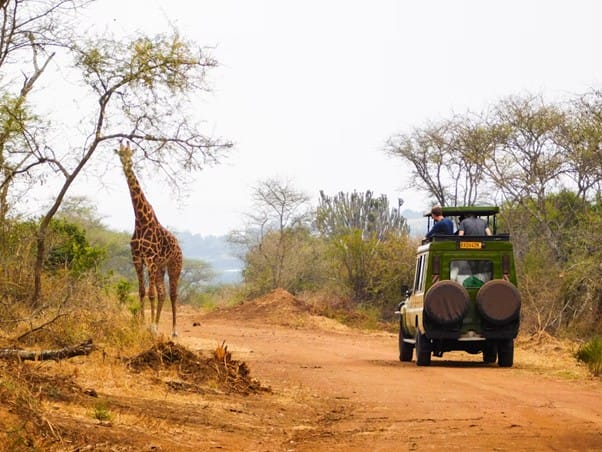
Travel routes in Africa often depend on time and budget. Many students start in the south, visiting South Africa, Namibia, and Botswana for their blend of cities and wildlife. In East Africa, Kenya, Tanzania, and Rwanda stand out for safaris and mountain hikes. West Africa draws travellers with its coastal life and deep cultural roots. The best student backpacking Africa trips balance slow exploration with a few guided adventures. Local buses and shared minibuses keep costs low and allow authentic experiences. For route ideas and sample itineraries, many backpackers share tried-and-tested routes online.

Safety varies by country and region. Islands and southern African nations often rank higher for peace and tourism infrastructure. Countries frequently listed among safer options include Mauritius, Botswana, Namibia, Ghana, and Rwanda. These destinations offer stable tourism services and clear entry information for students. Always check local travel advisories before booking and register your travel plans with your home institution.
Visa requirements vary by country and passport. Typically, a passport with blank pages and a minimum of six months’ validity is required. Proof of yellow fever vaccination and onward travel may also be needed. Some African countries require pre-approval, but many now offer e-visas or visas on arrival. Always verify the latest entry requirements from official embassy sources, such as the South African Department of Home Affairs, to ensure compliance with current travel rules.
Simple accommodation and flexible dates form the foundation of budget travel. Costs can be reduced through shared tours, bus passes, and student discounts. A budget student travel Africa guide can help organise transportation, meals, and affordable attractions. Look for group tours that include transport and basic meals, student cards that offer discounts, and local SIM card deals. Volunteer placements can also lower daily expenses while offering meaningful experiences.
Travelling light makes life easier. Pack a sturdy backpack, fast-drying clothing, sunscreen, and a basic first-aid kit. Add a power bank, a lock, and photocopies of essential documents. Don’t forget insect repellent and antimalarial medication if required. Keep money and valuables to a minimum and always within reach.
Budget-conscious students often rely on hostels or guesthouses. Dormitory beds in major tourist areas are inexpensive, while small-town guesthouses offer a more authentic experience. Trusted student networks and booking platforms help find safe, affordable accommodation. In South Africa, for instance, hostel dorms and budget guesthouses can offer beds at very low nightly rates, making two-week itineraries realistic even on a tight budget.
Solo travel requires extra caution. Share detailed plans with family or university contacts. Avoid poorly lit areas at night and limit phone use in public. Use registered taxis or verified ride apps when available. Dress conservatively in certain regions to show respect and blend in. Join organised day trips or student groups for activities that might feel risky alone.
Choose a plan that matches your time, budget, and academic goals. Small adjustments can also accommodate volunteering or short research projects.
Two-week option:
Three-week option:
Four-week option:
For students, Africa offers rich opportunities for learning and personal growth when approached thoughtfully. Planning safe routes, understanding visa requirements, managing a budget, and keeping essential records are all key steps. Adding a volunteer experience or short research project can make the trip even more meaningful and cost-effective. With careful preparation, a student’s journey can be both enjoyable and an excellent foundation for future essays or research.
This is a guest post.

Sara Essop is a travel blogger and writer based in South Africa. She writes about family travel and experiences around the world on her blog "In Africa and Beyond". Although she has been to 53 countries thus far, she especially loves showcasing her beautiful country and is a certified South Africa Specialist.