

Flying between Africa and Europe can be an exciting journey. Whether you are heading to explore a vibrant city in Europe or returning home after an unforgettable African safari, nothing prepares you for the frustration of a delayed flight. Delays can disrupt plans, cause missed connections, and leave you feeling powerless. However, there is good news. If your flight is delayed and your journey starts or ends in the European Union, you could be protected by strong rules designed to help passengers.
In this article we will explain what you can do when your flight gets delayed, what rights you have under EU regulations, and how to make claims for compensation and support. We will also look at practical tips to manage the delay with as little stress as possible.
When you travel from an airport in the European Union to Africa you are covered by EU Regulation 261. This is a set of rules that protects passengers when flights are delayed cancelled or overbooked. The same rules apply if your flight is arriving in the EU from Africa and is operated by an EU airline. These regulations set out what airlines must do for you when your flight does not go as planned.
For departures from the EU you are protected regardless of the airline you fly with. For flights into the EU you are protected only if the flight is operated by an airline based in the EU. For example if you are flying from Cape Town to Paris with an EU airline you are covered but if you are flying the same route with a non-EU airline the regulations do not apply. These protections include assistance at the airport and in some cases financial compensation depending on the length of the delay and the distance of your flight.

Heathrow airport
If your flight is significantly delayed you have rights to care from the airline. These include meals and refreshments in a reasonable relation to the waiting time and access to communication so you can make phone calls or send messages. If the delay requires an overnight stay then the airline should also arrange hotel accommodation and transfers to and from the airport.
The key question is what counts as a significant delay. If your flight is delayed by two hours or more and you are travelling a long distance between Africa and the EU then you should start to expect assistance. Each airline might handle this differently but the regulation makes these services mandatory. You do not have to ask for these benefits. If the airline has not already offered you meals or accommodation then it is within your rights to request them.
In addition to care and assistance there is also potential for compensation. This is payment you can claim if your flight arrives at your final destination late. For flights between Africa and the EU the distance of your journey will determine the amount of compensation you could receive. The exact amounts vary but generally long haul flights can attract higher compensation figures if the delay is significant.
To qualify for compensation your flight must arrive more than three hours late at your final destination. The airline might try to argue that the delay was caused by extraordinary circumstances. This is their way of saying that the delay was outside of their control and therefore compensation is not due. However not all reasons given for delays are valid extraordinary circumstances. Technical issues and staffing problems do not usually count and many travellers have successfully challenged airlines on this point.
It is worth noting that compensation is separate from assistance. Even if your airline says the delay was due to extraordinary circumstances you are still entitled to meals at the airport and hotel accommodation if needed. The only thing that might be denied is the financial compensation.
When faced with a delay there are a few steps you can take right away to protect your rights and make your experience more comfortable.
Stay calm and get information. Approach the airline desk as soon as you know there is a delay. Ask for clear information on the expected departure time and what support they are offering. Sometimes airlines will only display vague messages on screens and assume that passengers will know their rights. Being informed helps you get what you are entitled to.
Ask for assistance. If your delay reaches the threshold for meals or accommodation ask the airline staff how they will support you. Do not assume that a voucher for a small sandwich is enough if the delay is long. You are entitled to meals and refreshments of a reasonable standard.
Keep all documents. Save your boarding pass and any receipts. If you pay for food or accommodation out of your own pocket because the airline fails to provide support you can use these receipts when claiming reimbursement.
Take photos. It sounds simple but photos of airport screens showing delay times can be useful evidence if you later make a compensation claim.
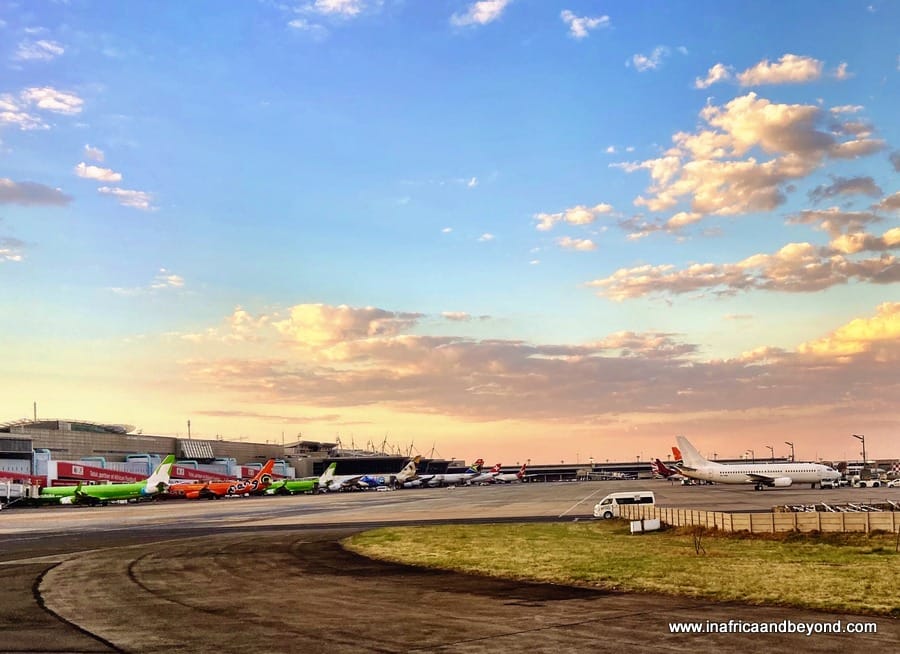
Airport
Once you have dealt with the immediate effects of the delay and have arrived at your destination you may want to take steps to claim compensation. There are companies that specialise in helping passengers claim flight delay compensation. These services can manage the paperwork and communication with the airline on your behalf. While they may take a percentage of any compensation recovered they can make the process simpler.
You can also choose to claim directly with the airline. Most airlines have forms on their website or customer service teams that handle claims. Whether you use a specialist service or do it yourself the following information will help.
Firstly write down the flight number, date and times of scheduled and actual arrival. Include any supporting information such as receipts and photos. Clearly state that you are claiming under EU Regulation EC 261/2004 and outline the length of the delay. Submit this to the airline with your contact details and request a response within a reasonable timeframe.
Be prepared for a response that rejects your claim. If the airline argues that the delay was due to extraordinary circumstances do not accept this without question. You can challenge this by asking for further explanation. If you still cannot resolve the issue with the airline you have the option to escalate the claim to the national enforcement body in the EU country where the delay occurred or where the airline is based.
Delays are not the only problem travellers face. Sometimes flights are overbooked or cancelled at short notice. In these situations you also have rights under the same regulation. Overbooking means you are refused boarding even though you have a valid ticket. If this happens you should be offered compensation and a choice between rebooking or refund. Cancellations at short notice might also trigger compensation unless the airline provides equivalent rebooking options.
If you have a connecting flight in the EU that is delayed by the first airline and causes you to miss the second flight then you should be treated as one affected journey. This means the airline may have to put you on a new connection or give you care and compensation based on the overall delay. It is important to clarify at the airport how your itinerary is affected and what the airline will do to get you to your final destination.
In addition to the rights under EU regulations you might also be covered by travel insurance or benefits from your credit card provider. Many insurance policies include compensation for missed connections or expenses incurred during delays. This is separate from the airline obligations and worth exploring. Keep copies of all documents and receipts as you will need these to support any insurance claim.
Delays and cancellations are frustrating but being prepared can make a big difference. Check the status of your flight before leaving for the airport. Sign up for alerts from your airline as they often send updates by text or email. Arrive at the airport with plenty of time so you are in the best position to speak with airline staff should delays occur.
Most importantly know your rights. Understanding what you are entitled to means you can ask for assistance confidently. If you are unsure consult official information or talk to customer service at the airport.
Travelling between Africa and the EU should be an enjoyable experience. While delays are an unpleasant part of air travel they do not have to ruin your trip. With the right knowledge and preparation you can manage the situation, get the help you need, and claim compensation if it is due. If your journey is delayed and you want help with a compensation claim then services exist that can guide you through the process so you can focus on your travels.
This is a guest post.

Sara Essop is a travel blogger and writer based in South Africa. She writes about family travel and experiences around the world on her blog "In Africa and Beyond". Although she has been to 53 countries thus far, she especially loves showcasing her beautiful country and is a certified South Africa Specialist.