
Traveling abroad is one of the most enriching experiences a person can have. It exposes you to new cultures, flavors, landscapes, and ideas that can reshape how you see the world. But as exciting as international trips can be, they also come with challenges—navigating airports, staying online, following foreign rules, managing expenses, handling transportation, and ensuring everything runs smoothly from start to finish. While no trip is ever perfect, there are practical ways to dramatically reduce stress and create a peaceful, seamless overseas travel experience.
This ultimate guide explores the core strategies every traveler should use to simplify their journey, from planning and packing to staying connected with Travel eSIMS, navigating unfamiliar cities, and avoiding preventable travel frustrations.
Planning early is the first and most powerful step toward a stress-free international trip. When you begin your arrangements ahead of time—whether that means booking flights, choosing accommodation, or researching local rules—you allow yourself room to make informed choices without pressure. Last-minute travel often leads to higher prices, fewer options, and unnecessary anxiety.
Booking early also gives you time to explore the layout of the city you’re visiting, identify the best neighborhoods to stay in, and make reservations for popular attractions that frequently sell out. Many international destinations now require timed-entry bookings for museums, historic sites, and national parks. Without early preparation, you may find yourself either missing out or paying inflated prices to resellers.
Early planning also means researching travel requirements such as visas, entry forms, COVID-related policies (still relevant in certain regions), and customs rules. Knowing these in advance prevents delays at immigration and ensures you never scramble to fill out paperwork at airports.
One of the biggest mistakes travelers make is planning a schedule that is too rigid. While organization is essential, leaving space for exploration or rest is equally important. A flexible itinerary helps you avoid stress by giving you control without suffocating your experience with too many obligations.
When creating your travel schedule, block out your major activities—such as day trips, guided experiences, and important tours—but leave the evenings open or keep one or two days unscheduled. This allows you to spontaneously revisit a place you loved, relax on the beach longer than expected, or explore hidden areas recommended by locals.
A flexible itinerary also keeps you from feeling overwhelmed. Travel fatigue is real, and cramming too much into a few days can result in burnout. Instead, aim for a healthy balance of sightseeing, rest, food exploration, and personal downtime.
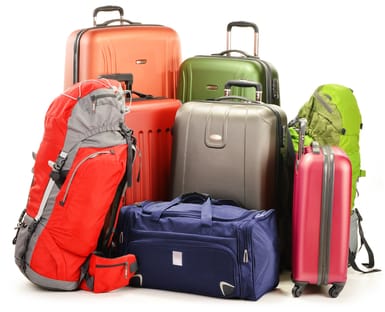
Packing strategically is one of the most underrated ways to reduce travel stress. Overpacking leads to heavy suitcases, extra baggage fees, and frustration during transit. Underpacking leads to scrambling to buy essentials you forgot. The key is to strike the right balance with carefully selected items that serve multiple purposes.
Choose versatile clothing that can be mixed and matched, non-wrinkle materials that are easy to wash, and shoes that work for both walking and casual dining. Packing cubes can help you stay organized, making it easier to locate specific items without tearing apart your luggage.
Don’t forget a small medical kit with basic medications—jet lag remedies, pain relievers, digestive support, plasters, and allergy meds. These are often expensive or difficult to find abroad, especially if you don’t speak the language.
Finally, always pack copies of your important documents and store digital versions in secure cloud storage. A lost passport or ID is far less stressful when you have quick access to supporting documents.
Nothing complicates travel faster than losing internet access. Whether you need directions to your hotel, want to communicate with airport staff, or must order a rideshare, staying connected is essential. This is where Travel eSIMS have become a game-changing solution for international travelers.
Unlike old-fashioned physical SIM cards, which require swapping and activating in every country, eSIMs let you download mobile data plans directly onto your phone before leaving home. With eSIM technology, you avoid roaming charges, eliminate queues at airport SIM counters, and ensure you’re connected as soon as the plane lands.
If you're traveling across several Asian countries, an International eSIM Thailand plan is especially helpful because many providers offer regional coverage that includes nearby nations. This lets you stay connected without constantly buying new SIM cards.
For European trips, the option to Buy a Europe eSIM allows seamless connectivity across dozens of countries with one digital plan, saving you money and making navigation effortless.
Reliable mobile connectivity ensures stress-free access to maps, translation apps, restaurant reviews, airline updates, and emergency help—giving you independence and confidence no matter where you travel.
A stress-free trip is one where you never waste time getting lost or searching endlessly for the right street or bus connection. Modern travel apps eliminate much of this confusion by providing real-time navigation, transit updates, and location-based recommendations. With a strong data connection from your eSIM, you can effortlessly find food spots, markets, attractions, and public transportation timetables.
Before your trip, download offline maps for your destination. These are invaluable when underground, in remote villages, or in areas with limited coverage. Pairing offline maps with the active data provided by your travel eSIM gives you both reliability and accuracy.
Apps for currency conversion, translation, metro schedules, weather forecasts, and cultural etiquette also reduce stress by providing answers instantly without needing to ask strangers or rely on guesswork.
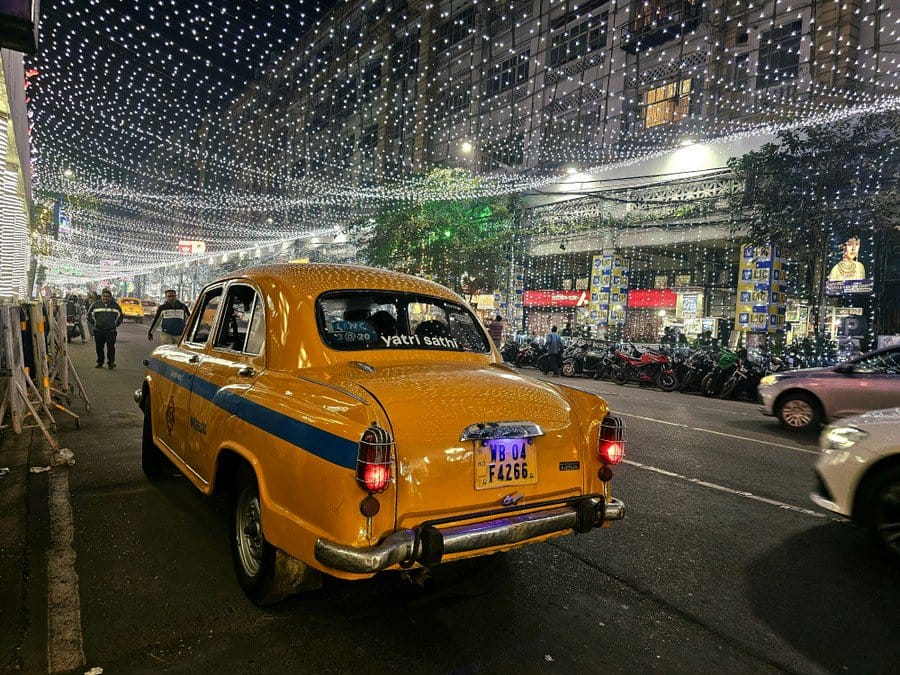
Taxis in India
Selecting where you stay can make or break your travel experience. A poorly located hotel can mean long commutes, expensive taxis, safety concerns, or difficulty accessing essential services. On the other hand, accommodations located near public transit, supermarkets, and key attractions save time and reduce daily stress.
Travelers who prefer calm environments should consider boutique hotels or residential-style apartments. Backpackers or social travelers may opt for hostels or community-driven lodging. Families may prioritize space and kitchen access. Business travelers may need strong Wi-Fi and meeting spaces.
Reading recent reviews is crucial because it gives insights into cleanliness, noise levels, and customer service—details that can prevent unexpected frustrations. A strategic choice in accommodation ensures you always return to a comfortable, welcoming space after long days of exploring.
Understanding cultural norms helps travelers avoid awkward situations and misunderstandings. Every destination has unique customs concerning dining, clothing, greetings, tipping, public behavior, and photography.
By researching etiquette before your arrival, you show respect to local residents and reduce personal stress. For example, some countries value quietness in public transportation, while others encourage conversation. Some cultures require covering shoulders inside religious sites, while others have unique rules for entering homes or markets.
Learning a few simple phrases in the local language, such as greetings and polite expressions, also enhances your experience and makes interactions smoother. With translation apps and the dependable connection provided by Travel eSIMS, you can easily bridge communication gaps.
Financial stress can ruin an otherwise wonderful trip. To prevent this, plan a realistic budget that includes meals, transportation, activities, souvenirs, tips, emergency costs, and daily spending money. Many travelers fail to consider hidden expenses such as baggage fees, hotel taxes, and ATM withdrawal charges.
Using apps to track spending helps you stay on budget and keeps your finances organized. Digital banking tools combined with a reliable eSIM connection allow you to check balances securely, transfer funds, and receive fraud alerts instantly.
Carrying a mix of payment methods—credit cards, debit cards, and a small amount of local cash—ensures you’re prepared for any situation. Avoiding currency exchange kiosks at airports also saves money, as these typically offer poor conversion rates.
Maintaining good health while traveling is essential for keeping stress low. Long flights, unfamiliar food, time zone shifts, and climate changes can impact your body. Stay hydrated, pace your meals, and create a sleep routine that helps your body adjust.
Having travel insurance is critical. It protects you from unexpected medical expenses and emergencies, making your trip far less stressful. If you take prescription medication, pack more than you need, along with official documentation.
With a stable connection from your eSIM, you can locate pharmacies, contact medical professionals, and access health information instantly if issues arise.
Losing your passport, phone, or wallet can dramatically increase stress while abroad. To prepare for the unexpected, make digital backups of your passport, visas, travel insurance, and itinerary. Store them in a secure cloud folder accessible with your eSIM connection.
Also, keep a second physical ID in a different bag and distribute your cash across multiple locations. Backup power banks ensure your phone never dies while navigating or communicating in emergencies. These simple precautions can save you hours of time and stress.
Slow travel has become increasingly popular because it emphasizes quality experiences over rushed sightseeing. When you travel slowly, you spend more time in each location, interact more meaningfully with locals, explore hidden neighborhoods, and experience daily life at a natural pace.
This approach reduces stress because you are not constantly rushing to catch trains or meet tight schedules. Instead, you enjoy spontaneous activities, longer conversations, and peaceful observation of the culture around you. Slow travel allows deeper emotional connection and more memorable experiences.
A stress-free overseas trip doesn’t require perfection—only preparation, awareness, and the right tools. From early planning and flexible itineraries to smart packing and financial organization, each decision contributes to a smoother journey.
Most importantly, staying connected through Travel eSIMS, choosing plans like an International eSIM Thailand for Asia or opting to Buy a Europe eSIM for multi-country European trips ensures you always have navigation, communication, and digital tools at your fingertips.
With these strategies in place, your next international adventure will unfold with greater confidence, comfort, and peace. Safe travels!
This is a guest post.

Sara Essop is a travel blogger and writer based in South Africa. She writes about family travel and experiences around the world on her blog "In Africa and Beyond". Although she has been to 53 countries thus far, she especially loves showcasing her beautiful country and is a certified South Africa Specialist.