
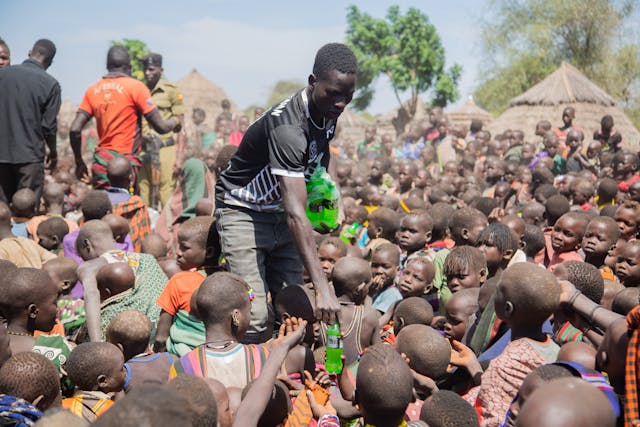
Opportunities for volunteering abroad often appear as an ideal way to give back while experiencing new cultures. Many students see Africa as a destination for service projects, gap year experiences, or community development programs. At the same time, critics question whether these initiatives truly help local communities or function as a form of packaged tourism. The balance between intention and impact remains a pressing topic for anyone considering such a trip.
Volunteering in African countries is often marketed as a life-changing opportunity. Programs emphasize teaching support, healthcare assistance, wildlife conservation, and community building. Students are promised both a chance to help others and an immersive cultural experience. For many, it becomes their first extended time away from home in a completely different social and economic context.
These programs can open new perspectives. Living in villages or working alongside local staff allows volunteers to recognize how communities tackle challenges with limited resources. Students gain awareness of issues such as access to clean water, public health disparities, and underfunded schools. Ideally, they return with both humility and a deeper commitment to global citizenship.
Skeptics argue that short-term volunteer trips risk doing more harm than good. Projects sometimes prioritize the volunteer’s experience over long-term community benefit. For example, building a classroom in two weeks may provide students with a sense of accomplishment, but the quality of construction can be poor compared to local professionals.
There is also the issue of dependency. Communities may come to expect a revolving door of foreign students rather than sustainable partnerships. In education settings, constant turnover of inexperienced tutors can disrupt continuity for children. These outcomes raise questions about whether such programs unintentionally serve as a form of cultural tourism disguised as aid.
Critics also highlight how programs often lack accountability. Students leave after a few weeks, but local residents live with the outcomes. Without clear reporting systems or long-term follow-up, there is no way to measure whether promised benefits are delivered. This absence of responsibility fuels the perception of “voluntourism.”
Preparation before volunteering matters as much as the trip itself. Students who take time to study the host country’s history, culture, and current challenges tend to integrate more respectfully. Learning a few words in the local language or reading about cultural traditions reduces the risk of misunderstandings.
After returning home, structured reflection transforms experiences into personal development. Writing journals, engaging in campus discussions, or turning insights into academic projects ensures the trip is not just a photo album of adventures. This reflective stage is where volunteering shifts from temporary tourism to long-lasting education.
Universities can also encourage reflection by offering seminars or credit-bearing courses linked to international service programs. These structured platforms allow students to critically analyze power dynamics, ethical dilemmas, and global inequalities, instead of romanticizing their experience.
To create genuine impact, volunteering organizations should focus on sustainability. Programs that collaborate with local leaders, employ local staff, and follow community-driven goals often avoid the pitfalls of “voluntourism.” Students should research organizations carefully, looking for transparency in funding, long-term partnerships, and evidence of measurable outcomes.
Ethical models may also emphasize skills training. For example, medical students assisting in clinics should work under local professionals, sharing knowledge rather than imposing outside solutions. Education volunteers might co-teach with permanent staff to support, not replace, local teachers. These strategies respect community expertise while allowing students to learn constructively.
Some organizations have also shifted to hybrid approaches. Instead of sending large groups abroad for short stints, they fund local projects while encouraging students to join virtually for research, fundraising, or remote collaboration. This reduces the carbon footprint of travel while still engaging young people in global development.
Colleges and universities increasingly act as gatekeepers for international service programs. Many institutions partner with NGOs to create structured experiences for students. By doing so, they have the power to demand accountability and ethical practices.
Institutions can insist on clear program objectives, detailed pre-departure training, and post-return evaluations. They can also encourage students to think critically about privilege and inequality. For example, coursework tied to sociology, anthropology, or development studies can frame the volunteer trip as an academic inquiry rather than a personal adventure.
Scholarship programs often cover part of the cost of volunteering. This makes opportunities more inclusive, allowing students from different economic backgrounds to participate. However, universities must ensure that funding does not unintentionally promote programs with weak accountability. Transparency should remain a priority.
Students considering volunteering abroad should pause to ask key questions:
By addressing these questions early, students can avoid programs that prioritize spectacle over substance.
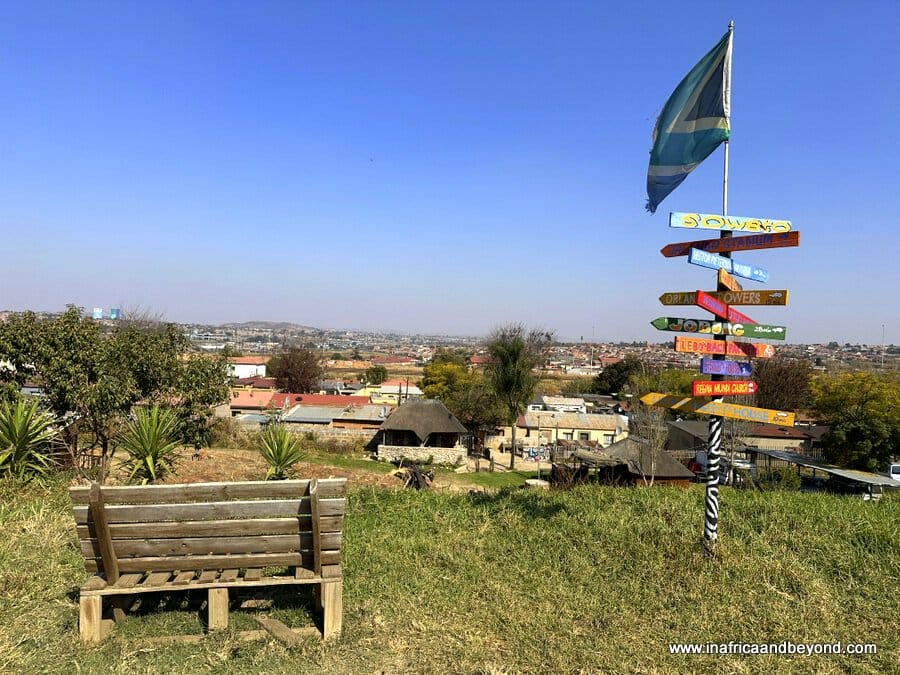
Soweto
Certain projects across Africa demonstrate how student volunteering can succeed when partnerships are equitable. For example, a university partnership in Tanzania paired engineering students with local water authorities to improve filtration systems. Instead of a short-term build, students contributed research and co-designed solutions with professionals. This collaboration produced sustainable improvements while giving students practical field experience.
By contrast, some wildlife conservation projects have faced criticism for prioritizing volunteer tourism revenue over ecological outcomes. Untrained students bottle-feeding lion cubs may feel they are helping conservation, but experts argue that such practices disrupt animal development and often feed into exploitative industries. These cases remind students to scrutinize glossy marketing and look for evidence-based practices.
Student volunteering in Africa sits at the intersection of education, service, and tourism. It has the potential to foster cultural understanding and personal growth, but it can also risk exploitation or superficiality if not handled with care. The key lies in preparation, humility, and reflection. When students commit to sustainable models and respect local leadership, volunteering transcends tourism and becomes part of a larger global dialogue on equality and development.
For students considering this path, the experience should never be reduced to Instagram moments or résumé padding. Instead, it can become a foundation for lifelong learning, shaping careers in global health, education, development, or diplomacy. With thoughtful planning and ethical commitment, volunteering can indeed make a difference.
In conversations about global education and cultural exchange, students often search for guidance and resources that help them prepare academically and socially. For those exploring their next step, paper writing with native writers becomes an essential study ally, since these professionals can turn experiences like volunteering abroad into powerful narratives that can highlight personal growth, responsibility, and cross-cultural awareness. This is why reflection after returning home is just as important as the time spent on the ground.
Featured Image Source
This is a guest post.

Sara Essop is a travel blogger and writer based in South Africa. She writes about family travel and experiences around the world on her blog "In Africa and Beyond". Although she has been to 53 countries thus far, she especially loves showcasing her beautiful country and is a certified South Africa Specialist.