
Safari expertise can look complete on paper: dozens of lodges, years of game drives, and enough close encounters to earn a lifelong “safari addict” badge. Yet experience can still be shaped by geography. When most stories come from Southern Africa, a quiet gap forms in the one place that shaped the safari world that travellers picture today.
The Masai Mara is not just another pin on the map. It is safari’s origin story, and Governors' Camp sits at the heart of it. Long before luxury lodges became the standard, this pioneering camp helped define what “high-end safari” could mean. For families planning a once-in-a-lifetime trip, that context matters.
I have spent years chasing safari magic across Southern Africa. From iconic private reserves to beautifully run lodges that make everything look effortless, I have built my “safari addict” credentials one game drive at a time. It’s the kind of experience that shapes how you plan trips, what you recommend, and what you think every safari should look like.
That depth of familiarity creates confidence, for me and for the families who follow my guides. When you have tested so many camps and routes, it’s easy to assume your safari coverage is complete. You start to view the region as the baseline, and everything else as an optional add-on.
But expertise can still be shaped by geography. The more I looked at my own content, the clearer it became: I had a Kenya-sized gap. And that gap matters, because the Masai Mara isn’t just another safari destination. It’s the birthplace of modern safari culture, and the starting point for the experiences the world now calls iconic.
Safaris may look similar on the surface wherever you go, but the Masai Mara sits in a category of its own. This is the landscape that shaped the world’s idea of what safari is meant to be: endless grasslands, big predator action, and the kind of migration drama that turns wildlife viewing into something cinematic. When people imagine “classic safari”, they are usually picturing Kenya, even if they don’t realise it.
That is why a Kenya gap isn’t just a missing destination on a map. It is missing the original reference point. Southern Africa perfected many parts of the luxury safari we know today, but the Masai Mara wrote the story first. It gave safari tourism its most iconic scenes and set expectations that later lodges across the continent built upon.
If you are planning a once-in-a-lifetime trip, it also helps to understand how different the experience can be across luxury safari camps Kenya. Not just in comfort, but in setting, rhythm, and the way the wildlife moments unfold.
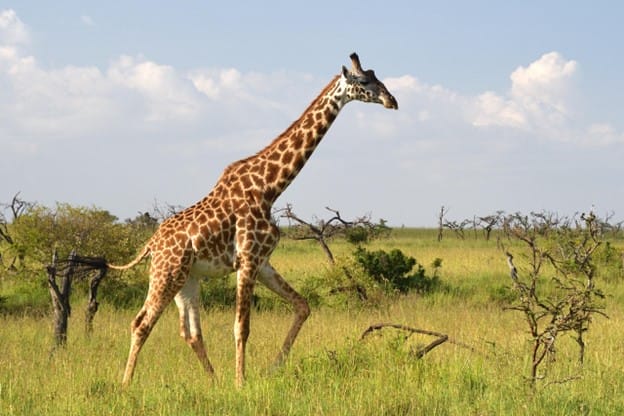
Giraffe in Masai Mara
When you look closely at how luxury safari works today, you can trace many of its most loved details back to Kenya. Governors' Camp is part of that foundation. It opened in 1972, long before “luxury tented camp” became a widely copied format, and it helped prove that you could experience the wild without giving up comfort, atmosphere, or thoughtful service.
What makes that legacy so important is that it shaped expectations, not just itineraries. The idea of waking up to the sounds of the bush, spending full days immersed in wildlife, and returning to a beautifully-run camp experience became the blueprint many travellers now associate with safari. Southern Africa refined and reimagined that model in its own way, but the roots run deep in the Mara.
For anyone advising families, that context matters. You are not just selling a destination. You are guiding people towards an experience category with history. Understanding where modern safari luxury began helps you explain the differences between regions with more clarity and recommend with more confidence.
Southern Africa taught me how polished a safari can be. Private reserves offer incredible exclusivity, smooth logistics, and that “everything is handled” ease that families love. It’s a brilliant version of safari, and it’s the one I know best. But Kenya teaches something different, and you only understand it once you experience the Masai Mara on its own terms.
The Mara sharpens your safari instincts. It forces you to think in movement and momentum, not just sightings. You learn how the landscape stages wildlife encounters, how river systems shape the drama, and why timing matters in a way that can’t be replicated elsewhere. The migration isn’t just a box to tick. It is a masterclass in unpredictability, patience, and scale.
It also widens the advice you can give families. Kenya makes it easier to explain what kind of safari they actually want, not just which lodge looks best in photos. Once you understand the origin point, your recommendations become clearer, more balanced, and far more complete.
Most families don’t book a safari as a casual trip. They save for it, build a whole itinerary around it, and imagine it for years before they go. That is exactly why expert guidance matters. Readers come to travel blogs like mine because they want someone to filter the options and help them choose the right place, at the right time, in the right style.
When Kenya is missing from that advice, the planning can skew. People start to believe safari equals Southern Africa, full stop. They choose based on lodge aesthetics alone, or they match seasons and wildlife expectations to the wrong region. Some even miss the kind of safari moments they originally pictured, simply because they never realised the Masai Mara offers a different version of “classic” safari.
Closing that origins gap makes recommendations more honest. It helps families compare experiences properly, understand what they are paying for, and plan with confidence instead of assumptions. In a once-in-a-lifetime category, that difference matters.
The more I thought about it, the clearer it became: safari expertise isn’t only about how many lodges you’ve visited. It’s also about whether you understand the places that shaped the category in the first place. Southern Africa gives you depth in modern luxury, private reserves, and highly curated lodge experiences. Kenya offers origins, scale, and the cultural heartbeat behind the safari story that travellers have carried for generations.
That is why a Governors’ Camp education matters. It connects safari knowledge back to its source, and it fills in the missing context that makes advice feel truly complete. For families planning a once-in-a-lifetime adventure, that perspective makes all the difference.
When you understand both the refined and the original, you don’t just recommend a great camp. You guide people towards the safari they actually want.
This is a guest post.

Sara Essop is a travel blogger and writer based in South Africa. She writes about family travel and experiences around the world on her blog "In Africa and Beyond". Although she has been to 53 countries thus far, she especially loves showcasing her beautiful country and is a certified South Africa Specialist.